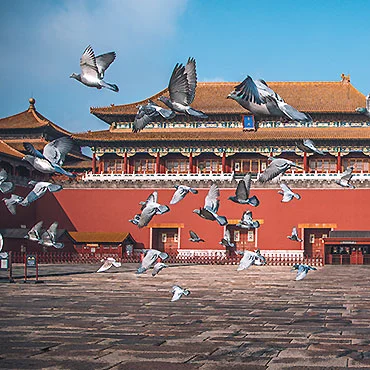
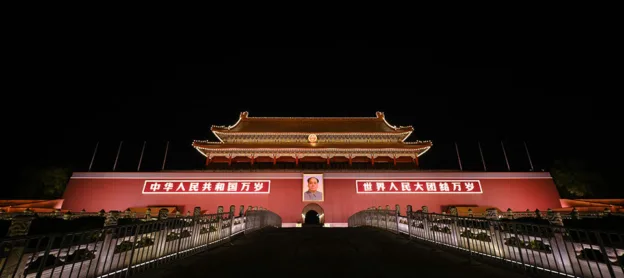
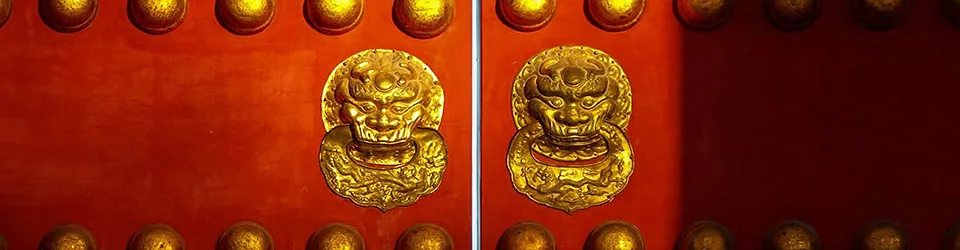
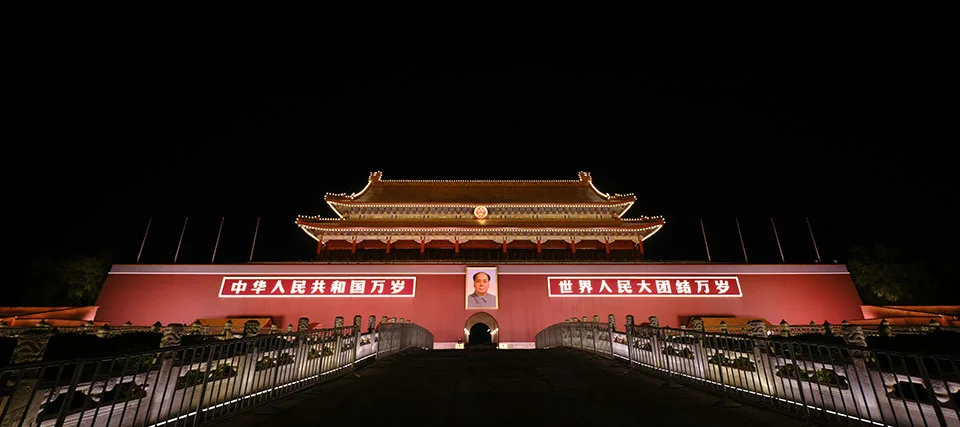
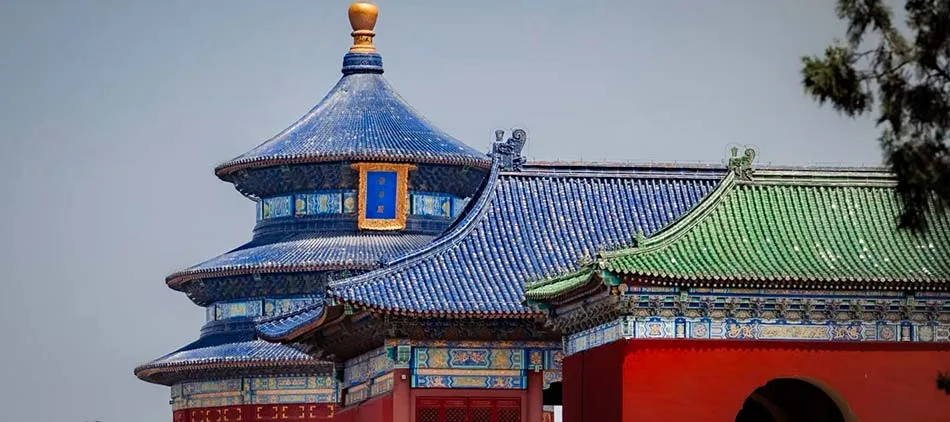
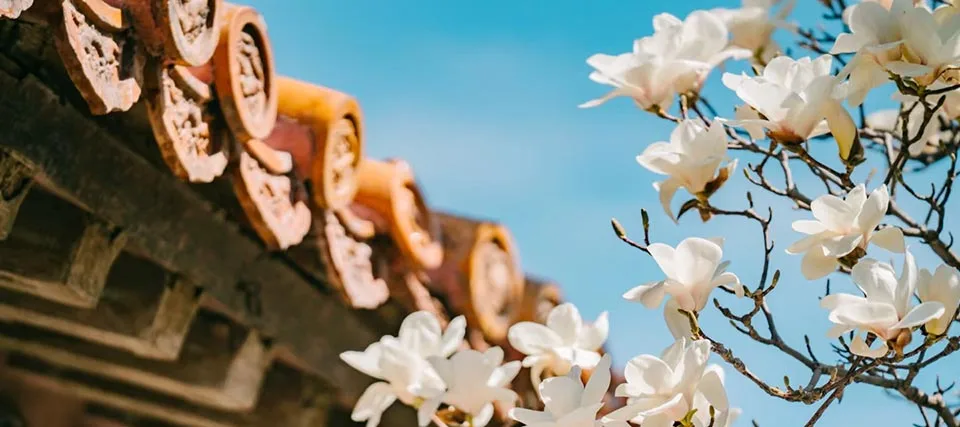
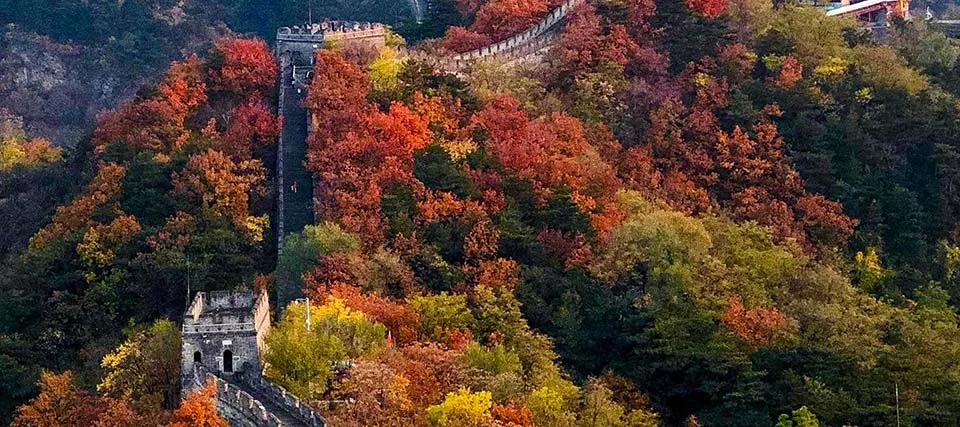
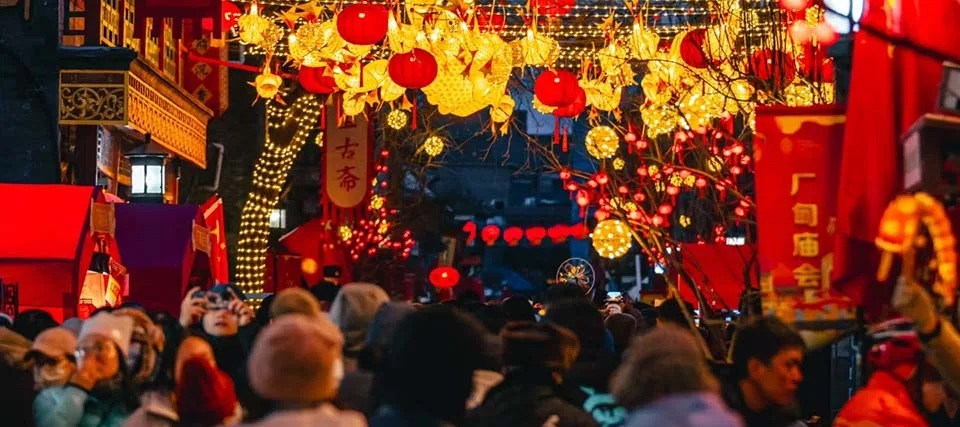
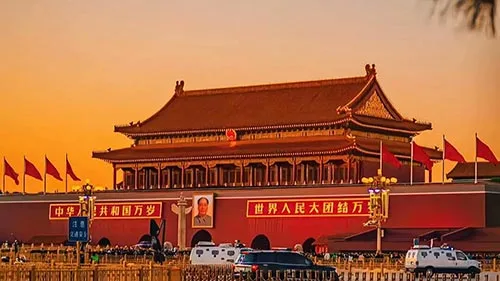
Locals call the Forbidden City Gu Gong (故宫), which literally translates as ‘former palace’. Considering the Chinese penchant for highly descriptive names, ‘former palace’ is a decidedly unimaginative moniker for what many consider the most marvelous of all China’s ancient buildings.
The Forbidden City holds great appeal for any history enthusiast. Within its walls, you will gain special insights to the life and times, not only of China, but of the million or so who built it, and those who lived and worked within its walls.
Zijincheng (紫禁城) or Purple Forbidden City, as it is also known, most definitely appears to fit the bill as a city. It is the largest palace in the world, covering a total area of 720,000m2, and in 1987, UNESCO designated it as a World Heritage site. As the celestially ordained home of the emperor, the palace was a no-go zone for outsiders, hence the term ‘forbidden’. To risk entry was to risk life, however restrictions have eased greatly since empirical occupation and tickets for visitors today range between ¥40 and ¥60.
For a western traveler making their foray into the Forbidden City, it’s quite easy to feel overwhelmed and have no idea of where to start, so with that in mind, we’ve done our best to curate this ‘how to’ guide for a visit to this one-time home of rituals, riches, and often thwarted romance.
Forbidden City: Important facts
Let’s start with some Forbidden City facts.
Clearly, Yongle Emperor, the third Ming dynasty emperor, thought carefully about his decision to locate the palace in Beijing’s heart; auspiciously on the city’s central axis. His safety concerns – something every emperor faced – prompted him to move his court from Nanjing to Beijing and so building commenced in 1406. In keeping with this theme of ‘prevention is best’, the palace was designed to be impenetrable from the outside, with every conceivable eventuality considered in the design.
As with a great many historical projects of scale in China, the Forbidden City absorbed a massive workforce, said to have reached a million laborers and 100,000 artisans during its 14 -year construction. Preparation work that included collection of precious timbers and stone took eleven years, while specifically designed pavers and bricks were made in Suzhou and Linqing. Perhaps in the context of the palace’s longevity these can be seen as reasonable investments. The imperial palace served as the residence and court of 14 Ming dynasty emperors and 10 Qing dynasty emperors between 1420 and 1911. While restoration is a permanent activity at the Forbidden City, the longevity of the buildings and surrounds are a testament to the foresight and technical acumen of those involved in its design and construction.
Exploring the palace complex: Allow at least a day
The palace complex is a rectangle, surrounded by a 10 meter high wall and moat that stretches for a phenomenal 52 meters. From north to south, it extends 961 meters, and from east to west, 753 meters. When a survey of the entire palace complex was undertaken in 1973, it identified over 90 compounds, 980 buildings, and 8,728 rooms. In reality, the Forbidden City was a city within a city.
A large gate dominates each of the rectangle’s four walls.
South
Meridian Gate (Wu Men)
North
Gate of Divine Prowess (Shenwu Men)
East
East Prosperity Gate (Donghua Men)
West
West Prosperity Gate (Xihua Men)
Each gate was designated to a specific group of people while the palace was inhabited, however since 2011, visitors may enter only via the south gate (Wu Men), but can exit via the north (Shenwu Men) and east (Donghua Men) gates. Each corner of the palace’s perimeter is distinguished by a uniquely designed watchtower or jiao lou.
The Meridian gate (south) was the main entry and is really a complex or superstructure of buildings with arches or doorways. The buildings are referred to as the ‘Five Phoenix Turrets’. Almanacs and announcements were issued from the gatehouse.
Forbidden City: Halls and hallmarks
The palace comprises two main parts; the outer court is south, while the inner court is located in the north. The outer court is where the emperor held court and grand audiences. After stepping through the Meridian Gate, you immediately see a large square with five marble bridges arching over the man-made Golden Water River.
The Gate of Supreme Harmony is fronted by two giant bronze lions. Charged with the task of guarding the palace, the lions stand 4.4 meters high. The lion on the left (as you face it) is a male with its paw placed on an embroidered wall. A female lion guards from the opposite side and has its left paw on a lion cub, a symbol of the royal family’s prosperity.
Located behind the gate is Supreme Harmony Square. Three magnificent buildings stand on the tiered marble terrace.
Hall of Supreme Harmony (Taihe Dian)
Important ceremonies held here, including crowning the emperor, birthday, wedding, Chinese New Year
Hall of Central Harmony (Zhonghe Dian)
Where the emperor rested or met officials prior to ceremonies
Hall of Preserving Harmony (Baohe Dian)
Where the emperors of the Ming dynasty changed their formal clothes before ceremonies. During the Qing dynasty it was used for banquets attended by nobility and high ranking officials. Imperial examinations were also held here.
As is characteristic of the Forbidden City, there are many design features rich in symbolism. Along the marble terraces of the halls, there are 1,142 dragon heads. Of course, these are highly decorative, however they have a dual function as water drainage. Rainfall flows through the dragons’ mouths into an underground tunnel, where it meets the mouth of man-made Golden Water River located at the south end of the palace. This ingenious design prevents the Forbidden City from ever flooding.
Why no trees?
Apart from the sheer size of the palace, many visitors are struck by the complete absence of trees in the vast area that spreads out in front of the Gate of Supreme Harmony. There are commonly cited theories with fire prevention being the first of these, because many buildings and structures are made of timber. In fact, 308 giant bronze vats are located all around the palace, making it possible to put out fire, if needed.
A second reason was more aesthetic. The expansive area provided the ideal stage on which the majesty and grandeur could be showcased. The emperor’s life was always precariously in the balance, with the threat of assassins ever present. By limiting the places to hide, the emperor could also feel safe in the knowledge the 15 levels of pavers and bricks (carefully arranged in alternating horizontal and vertical layers) would prevent even the most ardent of threats from digging deep and tunnelling their way into the palace. The ‘five element’ theory is also floated as a reason no trees are planted here.
Who lived at the Forbidden City?
The northern part of the Forbidden City is the Inner Court. It is here you would have found the emperor and his consorts in residence, as well as venues for religious rituals and administration. In this area, there are also three main buildings located on the area’s central axis (and center).
Palace of Heavenly Purity (Qianqing Gong)
Official residence of the emperor. Later became the place emperors conducted routine government business and celebrated major festivals and rituals
Hall of Union (Jiaotai Dian)
Where the empress received greetings from her high-ranking subjects on major festivals
Palace of Earthly Tranquility (Kunning Gong)
Residence of the Empress. Was also once the Shamanism sacrificial hall and imperial bridal chamber
On both sides of the main axis were the Six Eastern Palaces and Six Western Palaces, which were the private residences of the imperial consorts and concubines. At the far end of the Inner Court, you will find the Imperial Garden, enormous at 10,000m2, and on each of its sides are the residences that housed the imperial princes and princesses.
Many westerners are curious about the number of imperial consorts and concubines kept by an emperor. This number varies, however Emperor Kangxi, China’s longest reigning emperor (61 years from 1661 to 1722), had four empresses and over 40 consorts, concubines, noble ladies and mistresses.
Emperor Yongzheng, the Qing Dynasty’s fourth emperor, resided and presided over state affairs in the Hall of Mental Cultivation (Yangxin Dian). Empress Dowager Cixi and Cian managed state affairs here – but behind the scenes – for Emperors Tongzhi and Guangxu. And it was in the Hall of Mental Cultivation that China’s last emperor Puyi abdicated from the throne after the 1911 revolution broke out. While Puyi was allowed to live in the Inner Court after his abdication, in 1924 he was expelled, and a committee was established to take over the palace and care for the vast collection of imperial treasures which number over 1.8 million individual pieces. The now famous Palace Museum was opened to the public in 1925, just one year after Puyi’s departure.
Palace Museum: A treasure in its own right
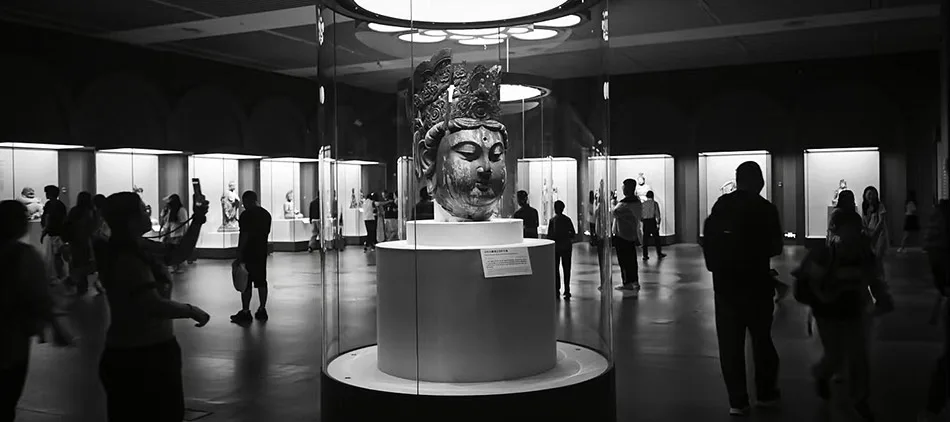
It is said that just over 40 percent of China’s valuable cultural relics are housed at the Palace Museum. Including a vast selection of bronze, ceramic, and jade pieces, as well as paintings, calligraphy, palace objects, and ancient books, only a relatively small number are displayed in more than ten galleries at the museum.
It’s an understatement to say the Palace Museum is immensely popular. Ranked as the most visited museum in the world, a daily limit of 80,000 visitors was set in 2015 to improve the experience and to support preservation efforts.
If possible, time your visit to spring or autumn, before the summer crowds flock and Beijing is deep in the throes of its typically icy winter. International travelers must provide their passport name and number when booking tickets, which should be purchased in advance rather than on the day to help with a speedy entry. You must present your passport on entry in exchange for a ticket bearing a QR code.
Entry Prices
Adults
1 Apr – 31 Oct
¥60
1 Nov – 31 Mar
¥40
Treasure Gallery
¥10
Hall of Clocks
¥10
Children
6 – 18 years
Half price
Children
Under 1.2 meters and < 6 years
Free
Food
Yes
Various food and beverage outlets both inside and outside the Forbidden City. Our local insider tip? Ask your guide for directions to the Forbidden City’s Hidden Ice Restaurant: Bingjiao Cafe
Transport
Yes
Bus, subway and taxi (no parking)
Tours
Yes
Fully guided including transport to the base
Family friendly
Yes
Close to city
Yes
Opening hours
1 Apr – 31 Oct
8.30am – 5.00pm
1 Nov – 31 Mar
8.30am – 4.30pm
Enjoy the opportunity to get up close with China’s imperial history with a visit to the Forbidden City. Make the most of your travel time with a guided tour and discover all the mystery, intrigue, and beauty within the four walls of the palace. Few places captivate in the way the Purple Palace does, so let us help make it the beautiful travel memory it should be. We can assist with bookings and travel arrangements for a single day tour of the Forbidden City – or a multi-destination adventure across China. Reach out here and we’ll respond within 24 hours.
Great Wall of China: Things to do in Beijing, China
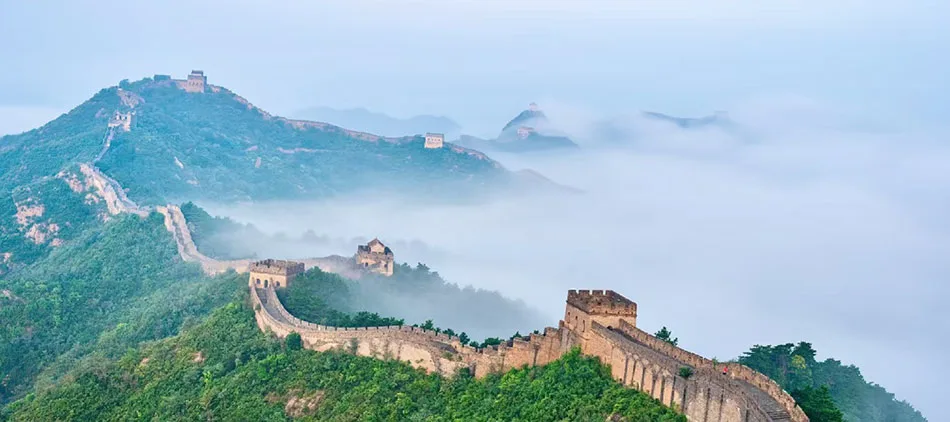
Mention the Great Wall of China and instantly a picture springs to mind of perhaps China’s most iconic landmark, which is no small accolade given the rich trove of cultural treasures to be found all over the country. So significant is the Great Wall that UNESCO listed it as a World Heritage site in 1987, and there would be just a tiny percentage of travelers to China who wouldn’t scale the wall while visiting Beijing.
But there is more to the Great Wall of China than myths like it is the only landmark on Earth that can be seen from space. In fact, the history of the Great Wall is as long and rich as the structure itself. Apart from being a symbol of China – visionary, enduring, and practical – the Great Wall is also a demonstration of the country’s spirit.
Before making your way to the top of the wall, it pays to understand a little of what’s behind its creation because it will make for an even more enriching adventure when you’re there.
Great Wall of China: Important facts
In typically descriptive form, the Chinese name for the Great Wall is translated as ‘10 thousand mile long wall’ (万里长城). Construction of the wall commenced during the Spring and Autumn and Warring States period, which occurred between 770 BC and 221 BC.
In fact, the name ‘Great Wall’ is a little deceptive, because the wall is in fact a massive defense system. It combines city walls, watch towers, passes, beacon towers, enemy forts, barriers, ramparts, fortresses, and ditches and spans a breathtaking 6,700 kilometers across 15 provinces and cities, including Hebei, Beijing, Tianjin, Shanxi, Shaanxi, Gansu, and others. Winding through the northern and middle part of China from the Shanhai Pass in the east to Jiayu Pass in the west, there is absolutely no doubt the wall is a remarkable feat of construction. While large amounts of the wall have deteriorated or destroyed, there is no doubt as to its significance in history.
Construction of the Great Wall
Construction of the Great Wall commenced during the Spring and Autumn and Warring States Period, well over 2,000 years ago. Very much a defense system, it was prompted by the various warring states wanting to protect their respective land and cities. Huge walls seemed to be the obvious answer. However, the effectiveness of the individual defense systems was tested in 221 BC when the Qin states, the strongest of all seven, defeated and unified the disparate entities.
Effectively forming China’s first dynasty, Emperor Qin Shihuang set about bringing his grand vision to life. Among the measures he enforced was centralization of power, standardization of language across the country, and construction of connecting walls between the existing walls. We do not know how many people were involved in the construction. Numbers vary, depending on the period during which construction took place. What we do know is the workforce included soldiers, peasant laborers and convicts, and the physical hardship endured led to the death of many on site. The result of this massive exercise formed the basis of the Great Wall we know today.
That said, it is misleading to think that’s where the Great Wall started and stopped, because it doesn’t. The Great Wall extends well beyond Emperor Qin’s grand plan. Since that initial enhancement, the wall has undergone almost continuous construction. Subsequent dynasties and states have added their own unique touches to the wall. It was during the Han dynasty (202 BC – 220 AD) in particular that the longest stretch was built.
In much the same way that the wall weaves throughout China, it’s development is intricately bound to the country’s evolution. Take the famous Silk Road. Around half the route of the Silk Road, which forged a commercial and cultural pathway through China, was established and ran alongside the Great Wall.
While every dynasty sought to make its mark on the wall, few were as prolific in their construction as the Ming dynasty (1368 – 1644), during which a massive 20 huge development projects were initiated. Incredible!
Without question, the Great Wall ranks among the world’s great construction projects. In large part, the wall was built by hundreds of thousands of people who shaped the bricks and earth that give it form. It is for this reason, the Chinese saying ‘He who does not reach the Great Wall is not a true man’ holds such significance among local people.
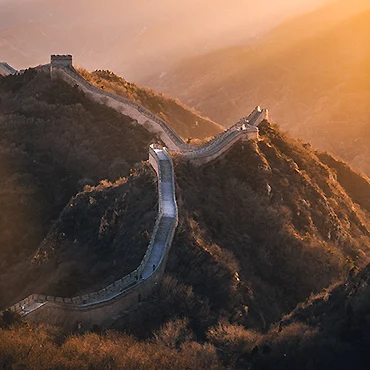
Unsurprisingly, the main parts of the Great Wall were built on top of mountains, endlessly winding over ridges, and in many ways, shaping the landscape to take on a likeness to that much revered Chinese symbol of power, the dragon.
The Great Wall today: A must-see thing to do in Beijing
Although the Great Wall covered a massive amount of territory throughout China, there are many parts of it which have fallen into disrepair. In fact, in some places, the existence of the wall isn’t recognizable, which is one very good reason to make it a must-see thing to do in Beijing.
The Great Wall we can see today was built mostly during the Ming Dynasty. Beijing, as a destination that is on the bucket list of most first time visitors to China, is perhaps the most accessible of destinations to climb the wall, however it’s not the only one. Fortunately, there are many sections of the Great Wall open to the public.
Beijing
Best for visiting Badaling, Mutianyu, Juyongguan, Jinshanling and Simatai sections
Tianjin
Stay in Tianjin to see the Huangyaguan of the wall
Hebei
Make a stop in Hebei to experience the Shanhaiguan section of the wall
Gansu
Climb the wall at Jiayuguan when you visit Gansu
If your travel time is limited, perhaps your best choice is a visit to the Mutianyu section of the wall. Favored by local and international travelers, Mutianyu is located about 70 kilometers north east of Beijing – roughly 90 minutes drive – from the heart of the city. Apart from spectacular views which make the trek totally worthwhile, Mutianyu is convenient to visit because the journey of reaching the top is greatly eased with comfortable travel made possible with modern cable cars and shuttle buses.
Commissioned during the early Ming dynasty, the Mutianyu section was built on Great Wall ruins, originally constructed during the Northern Qi dynasty (550 – 577). Because the emperor of the Ming Dynasty was concerned about the danger and threats from the Northern minorities, he ordered a stronger rebuild of the Great Wall in many sections to improve defense against the enemy Northern tribes.
Rebuilding the Great Wall
For many travelers, it’s a dream to walk on the Great Wall, and it’s only doing this in person that it’s possible to gain a true sense of just how significant this landmark really is. Significant investment has been made to rebuild the wall to make it both accessible to visitors, while protecting the heritage it represents.
Depending on the location, different structures were built to suit the varied climate and geographical conditions. Rammed earth, adobe wall, brick, stone, strip stone, and a combination of these were all used in the original and rebuilt Great Wall. In some places, it’s even said sticky rice was used in the construction! With ongoing research and testing, this has proven to be true. In fact, considered a wonderful innovation from the Ming dynasty period, the combination of sticky rice with lime fortified the wall, and subsequently, many other buildings and structures in China.
The rebuilt Great Wall averages around 7 to 8 meters in height, 6 to 7 meters in width at the base, and 5 to 6 meters wide at the top. Although reconstruction and preservation works are now done with great care, the construction of the original wall saw a great loss of life. There are countless stories of people throughout its history who went to build the wall and never returned. This isn’t surprising given the lack of modern equipment, unforgiving landscape, and demanding work involved.
The wall isn’t simply a wall either. The original intention was always defence and to demonstrate that what lay beyond the wall was something of which enemies should be wary. A series of defensive structures, including watchtowers and accommodation for soldiers, weapons, and horses, the Great Wall has definitely endured. Even as late as the period between 1931 and 1937 when China and Japan were at war, a number of battles were fought on sections of the wall, including at Shanhai Pass, Xifengkou, Luowenyu, and Gubeikou. The 1933 battle known as the Defense of the Great Wall was perhaps the most significant of these. It resulted in the Japanese successfully capturing the Mongolian province of Rehe and further expanding the state of Manchukuo, which was established by the Japanese.
However, the Great Wall is not only about defence. It holds significance as a border, the integration and exchange of various ethnic minorities, and perhaps most importantly it represents the most recognisable symbol of China. In Chinese culture, walls are considered a symbol of protection, regardless of whether the wall encompasses a region, district, city, residential or commercial building, or even a private courtyard. It’s one of the reasons you’ll find ancient cities like Xi’an, Nanjing and Pingyao have preserved these important symbolic yet practical structures.
If you are looking to design a complete China tour, then it’s wise to include a visit to the Great Wall. It’s a highlight that will impress and surprise you, and undoubtedly you’ll find your time there treasured among your favorite travel memories.
Entry Prices
Mutianyu Great Wall
adaling Great Wall
Adults
Entry
¥45
Entry (1 Apr – 31 Oct)
¥40
Shuttle bus service round trip
¥15
Entry (1 Nov – 31 Mar)
¥35
Cable car round trip
¥120
Cable car round trip
¥140
Children (6-18 yrs)
Entry
¥25
Entry (1 Apr – 31 Oct)
¥20
Shuttle bus service round trip
¥15
Entry (1 Nov – 31 Mar)
¥17.5
Cable car round trip >140 cm
¥120
Cable car round trip
¥140
Cable car round trip <140 cm
¥60
Children < 6 years < 120 cm
Free
Free
Food
Yes
Restaurants, cafes, gift shops
Transport
Tours
Yes
Fully guided including transport to the base
Family friendly
Yes
Close to city
Yes
Mutianyu is 70 kilometers (90 minutes) from Beijing city centre
Depart 8am and 10am from Hong Kong Macau Center. Round trip (no need to take shuttle bus at Mutianyu).
¥80
Darling Bus 9am Sat – Sun Depart Exit C of National Library Station, Metro Line 4, 9, and 16. Round trip.
¥80
ZANBUS
Depart 8am and 10am daily from Exit B of Heping Xiqiao Station, Metro Line 5. Round trip.
¥80
Depart 8am and 10 am daily from Exit C of Beitucheng station on Metro Line 8 and Line 10. Round trip.
¥80
BUS
Bus 916 and Bus H23 or H24 Board Bus 916 at DongZhimen Wai Bus Station to Huairou and change to Bus H23 or H24 to Mutianyu
Board Bus 919 or 877 at Deshengmen Bus Terminal
High speed train
Board at Beijing North Railway Station to Badaling
Metro + high speed train
Board Metro line 13 to Qinghe Train Station. Change to high speed train from Qinghe to Badaling.
Looking to understand the essence of China’s best known structure? Then it could be time to book a tour to the Great Wall. It’s definitely one of the very best – and most culturally fascinating things to do in Beijing. In fact, no China tour would be complete without spending a day learning about and scaling the wall. Whether you choose to travel independently or on a guided China tour, we can assist with bookings and travel arrangements. We are travelers too and know what it takes to create beautiful travel memories – and we’d love to make your time at the Great Wall a beautiful travel memory. Reach out here and we’ll respond within 24 hours.
Even for people like us who travel the length and breadth of this vast, diverse, and exciting country to create China tours with beautiful travel memories.
So, how do we narrow the list of best cities to visit in China when there are so many exciting destinations you can choose?
Between bustling Beijing, exciting Shanghai, and everything in between, you may feel a tad perplexed about how to filter your selection. It can be especially challenging if you’re planning your first trip to China. There are just so many diverse regions, each with unique natural, cultural, and historical attractions that unless you’re prepared to do lots of research, you could find yourself confused – or worse still, on a holiday that is nothing like your expectations.
We totally understand.
To answer your question about the best cities to visit in China, we’ve decided to keep things simple.
Fortunately, we can do that by relying on the experience and wisdom of our travel consultants. We’ve also drawn from the insights and first hand knowledge of our trusty local travel guides. And we’re big fans of the feedback we receive from our lovely customers who share their reviews and feedback while traveling with us.
Of course, deciding the best places to visit in China is subjective, but this updated list reflects decades of experience freely shared by our team who remain as ever, intrepid adventurers, even in these times of restricted travel.
So, grab your pen and notebook and get ready to create your own ultimate list of the best cities to visit in China.
Visit Beijing: it’s one of the best cities to visit in China
No China destination list would be complete without including the country’s modern capital Beijing.
A unique mix of history, culture, and China’s contemporary advancement, Beijing is a fascinating place. The city’s sheer size alone – measured in its expanding population of over 21 million people, and the endless view of cloud-topping highrise apartments – is enough to make the head spin of any China tour traveler.
While some may be satisfied with a single day tour, this simply does not do this immense city and surrounds justice.
Beijing offers so much. Its history alone – much of it fraught with tragedy and intrigue and spanning millennia – is captured in iconic structures like the Forbidden City, Summer Palace, and the Temple of Heaven. For the uninitiated, the intelligence, diligence, and typical iron will exhibited by previous generations of empirical rule, can be a challenge to comprehend.
Modern Beijing is an altogether different experience. Competing easily with its Western contemporaries, new Beijing is bright lights, high end hotels and fancy restaurants, and a bustling centre of commerce and politics. Balanced with heritage areas, such as the hutongs (Beijing’s most expensive real estate), a multi-day tour or even a Beijing layover can satisfy diverse interests of those hungry for culture, history, and what’s happening now.
And of course Beijing offers close proximity to multiple spots along the Great Wall of China – a marvel of human endurance, engineering, and willpower. Whether you spend just an hour – or walk kilometres along the wall itself – it is a marvel to behold and will make for special China tour travel memories.
Beijing at a glimpse
Must see
Great Wall Forbidden City Temple of Heaven Summer Palace
Experience it
● Eat authentic Peking Duck. ● Take in a performance at the National Centre for Performing Arts. ● Wander through the hutong. ● Overnight at a siheyuan and experience life as a traditional Beijinger.
Shanghai is a fabulous and fun city that continues to reflect the legacy of its international heritage.
With a rich combination of Chinese, French, and English colonial influence – and a long turbulent history to boot – Shanghai once the Paris of the East, is now more an example of Chinese commercial advancement.
A couple of days in Shanghai will allow you to enjoy a walk along the Bund. At once both iconic and prestigious, it is a well-preserved example of historical Shanghai glamour. You can walk Nanjing Road too, the busiest shopping precinct in China.
A change in tempo is possible with a visit to peaceful Yuyuan Garden, where you can marvel at the stunning gardens. Stroll around the nearby Chenghuangmiao bazaars and make a worthwhile detour to visit the fascinating and iconic Shikumen houses in New Spot (XinTianDi) for a true taste of old world Shanghai.
More recent history is available by wandering the quieter streets of Dongping Road or Sinan Road in the Former French Concession. It’s here you will find the essence of classic Shanghai and understand why this city continues to appeal to international travelers from all over the world.
Shanghai at a glimpse
Must see
The Bund Yuyuan Garden Former French Concession Shanghai Tower Shanghai Museum
Experience it
● Be amazed by the talent, strength and ingenuity of the performers in the ERA Intersection of Time at Shanghai Circus World. ● Dine at a Shanghai style restaurant and Indulge in the exciting flavors of Shanghai cuisine. ● Take a walking tour through the Tianzifang precinct with its boutique art, fashion, and dining options.
Xi’an is to Beijing what LA is to New York: A (more relaxed) world away.
Arrive in Xi’an and there’s more of China’s hustle and busy-ness, but without the seriousness that accompanies Beijing.
In fact, Xi’an is fun. It’s a bright, lively city, made all the more beautiful by red lantern lined streets that sparkle at night. It’s a city that doesn’t seem to sleep.
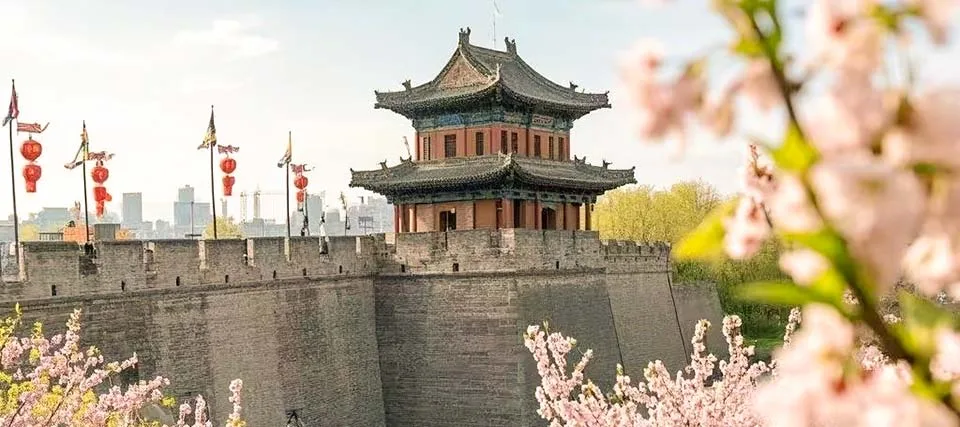
A must-see inclusion in your Xi’an city exploration is a visit to the Xi’an City Wall, perhaps the best preserved of all China’s city walls; no small feat given there are many of these throughout the country. Marking the original outline of this ancient capital, the Xi’an City Wall provides refreshing vistas out across the city, in many ways giving a bird’s eye view not available from the cloistered comfort of hotel rooms. Consider bringing some youthful adventure to your holiday and cycle the full distance around the wall, stopping at each of the four corners along the way.
Other X’ian must see highlights for a short stay visit are the Great Mosque and Muslim Quarter. The Great Mosque is a contemplative and peaceful location with beautiful gardens. Its prominent location in Xi’an reflects the significance of the local Islamic population, both historically and today. Enjoy their local culinary influence by making a trip (or two) down Muslim Street for fabulous and famous local street food.
Finally, be prepared for the incredible when you venture outside Xi’an’s city centre to visit the world-renowned Terracotta Army. If you make it only once to this breathtaking display of construction and organization, be sure to savor it. The warriors, their horses, and the history behind them are truly remarkable and yet another testament to the endurance and vision of China’s empirical leaders, definitely making it on the list of best places to visit in China.
Xi’an at a glimpse
Must see
Terracotta Army Xi’an City Wall Great Mosque Muslim Quarter Big Wild Goose Pagoda
Experience it
● Bike ride along the City Wall for Xi’an’s best views of the original city. ● Sample street food in the Muslim Quarter. ● Explore Shu Yuan Men (the Calligraphy Market) for an unique experience of Chinese culture. ● Come alive to the tragedy and triumph of Chinese drama watching the Tang Dynasty Music and Dance Show. ● Scale Mount Hua for a hiking adventure that compares with the world’s best.
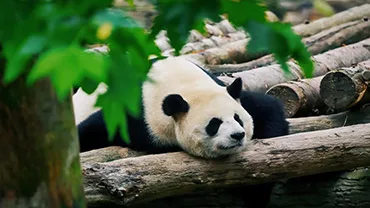
There’s no doubt if Chengdu is on your list, then a visit to see giant pandas – China’s national treasure – is a non-negotiable.
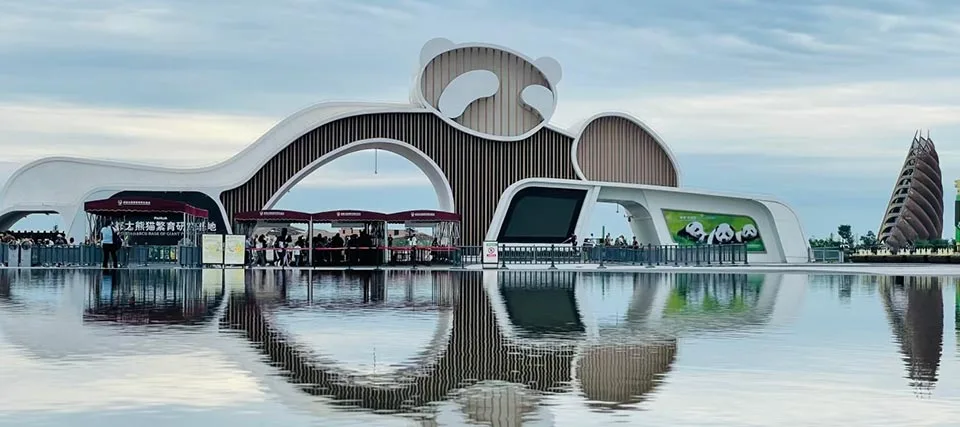
Available for viewing at the Chengdu Research Base of Giant Panda Breeding or the Dujiangyan Panda Base, it’s essential to book ahead, so check in with a local travel consultant who can help make the ideal arrangements.
In addition to gorgeous pandas, you’ll find Chengdu offers visitors plenty to be excited about.
For a start, Sichuan food is a true culinary adventure. Consider at least one authentic hot pot meal while in Chengdu. Not only is a hot pot truly fun, it is delicious too, and a great way to share a meal with fellow travelers and dine like a local.
Unsure about your dining options? Talk to your local guide. They offer the best insider knowledge of where to eat in every destination.
Tea culture permeates the more relaxed Chengdu lifestyle and while here, it’s the perfect time to take advantage of just how good Chinese tea is. Take a walk down iconic Jinli Street and watch tea merchants at work. You can even sample a cup or two and treat yourself to a take home tin and tea set as a special travel memento. Tea is everywhere in China and Chengdu is no exception.
Chengdu at a glimpse
Must see
Chengdu Research Base of Giant Panda Breeding Jinli Street Leshan Giant Buddha
Experience it
● Spend the day as a volunteer panda keeper at Dujiangyan Panda Base. ● Order a spicy Sichuan hot pot and discover what hot really means. ● Get caught up in the drama of Sichuan opera and bian lian, the face changing art that has captivated audiences for centuries. ● Hang out with locals by visiting the People’s Park or wandering through Wangjianglou Park. Join locals practicing Taiji or square dancing or try your luck playing cards or mahjong at one of the teahouses. ● Gain insight to another world in the Tibetan Quarter where the streets are lined with tiny stores crammed full of traditional Tibetan Buddhist garments, Buddhas, and prayer flags. ● Chow down with a vegetarian feast at the Wenshu Monastery, home to some of the most impressive examples of calligraphy, painting, and artwork, as well as some truly remarkable examples of historical significance – the parietal-bone relics of Sakyamuni, the founder of Buddhism, and Master Xuanzang, the monk and scholar who contributed to Chinese Buddhism.
Guilin rests against a backdrop of some of China’s finest and most iconic natural landscapes and scenery. Think stunning karst stone mountains steeped in misty clouds, water buffalo grazing lazily along the Li River, sweet-smelling osmanthus trees, remarkable rice terraces and more.
Within Guilin itself, you will see a different kind of China to that of the country’s more modernized cities. With an almost rural feel to it, despite its population of nearly 5 million people, Guilin is renowned for the distinctive karst stone which features in the surrounding topography. You only need look closely at the 20 yuan note, which profiles the region poetically named Reflection of Yellow Cloth Shoal.
Guilin’s highlights can be experienced over one or two days, however, within close proximity, you’ll discover other sights worthy of a visit too.
Float upstream along the Li River and you’ll arrive at lovely Yangshuo. A town (by China’s standards) of just 300,000 people, Yangshuo provides the opportunity for a genuine experience of rural China. It is possible here to wander country lanes between farmer’s fields, and if arranged in advance, spend time with a local farmer.
The famous Longji rice fields located about 100 kilometers from Guilin are where incredible photo opportunities can be enjoyed. As fascinating as they are spectacular, it’s here you can enjoy the chance to absorb incredible views and admire the ingenuity and diligence of local rice farmers past and present.
Dong minority villages in Zhaoxing offer an insight to the diversity of China’s population. Visit them to discover the ancient Dong culture, architecture, and agricultural practices. You can even hike, making this a truly outdoor and nature-based experience. Guilin is easily accessible via plane and train – it’s certainly a desirable inclusion on our destination list.
Guilin at a glimpse
Must see
Reed Flute Cave Li River Elephant Trunk Hill Yangshuo
Experience it
● Take a relaxing half day cruise up the Li River to Yangshuo. ● Explore the Longji Rice Terraces and Dong minority villages in the region. ● Take a bamboo rafting adventure on the Yulong River. ● Bike ride around the Yangshuo countryside.
The holy city of Lhasa is where many of Tibet’s most iconic and remarkable highlights are to be discovered. Wonders like the Potala Palace, Jokhang Temple, Barkhor Circuit, and the community of people who continue to live the ancient Tibetan Buddhist traditions make this destination a ‘must do’ once-in-a-lifetime travel experience.
Positioned perfectly on Red Mountain in the centre of Lhasa Valley on the Tibet Plateau, Lhasa is a window to the spiritual beating heart of Tibet. Expect to be mesmerized by the sacred and holy, while at the same time delighted by the joy with which locals welcome travelers wanting to experience this special place.
Three or four days in Lhasa is ample time to walk in the footsteps of the Dalai Lama – past and present – and to discover the beauty and treasures in Norbulingka, Drepung Monastery, and the notable Sera Monastery. It truly is a place where you will feel wonder at the enduring nature of those who continue with practices and rituals that are centuries old.
And while you’re in the region, take advantage of the location and use Lhasa as your launch pad to see more in Tibet. Enjoy pristine, postcard-perfect landscapes encompassing breathtaking alpine views, endless horizons, and deep green valleys. Road travel between minority group villages offers the chance to see and experience local life in a way that cannot be enjoyed from the air. Along the way, savor the unique insights to be gained in authentic traditional Tibetan craftsmanship, materials, and skills. Among the sights to be seen are the local artisans and communities, the Meili Snow Mountains, Mount Kawagebo, Three Parallel Rivers, Napa Lake, picturesque snow-capped mountains, gorgeous glaciers – and what every discerning traveler seeks – an incomparable peace.
Lhasa at a glimpse
Must see
Potala Palace Jokhang Temple Sera Monastery
Experience it
● Join with locals to practise “Kora” at the Barkhor Circuit. ● Drink sweet tea at a traditional Tibetan teahouse. Choose from Guangming Sweet Tea House, Shang Dong Sweet Tea House (located in a cave near Potala Palace!), or the serene surrounds of the Tsamkhung Nunnery Teahouse. ● Observe Tibetan monks physical debating style at Sera Monastery ● Enjoy Lhasa by night at the Langma Hall where traditional Tibetan opera is performed.
Located in China’s northwestern Gansu Province, Dunhuang is renowned for its location in an oasis where you’ll find the incredible natural wonders of the Crescent Spring and Echoing Sands Dune. Once an important stop for camel caravans traveling the Silk Road, it isn’t hard to see how Dunhuang became home to rich historical relics and religious arts.
Dunhuang is also where you’ll discover the amazing Mogao Caves. A labyrinth of over 700 caves, 2,000 painted statues, and 40,000 square meters of mural paintings, the Mogao Caves will leave you wondering at the diligence of those involved in its creation over centuries.
The landscape in and around Dunhuang carries enormous appeal too, not least because of Yadan National Geological Park, itself a geologic phenomena created by erosion of the soft earth caused by rain and wind. The spectacular rock formations provide a contrast to the man-made Great Wall of the Han Dynasty and Yumenguan Pass, both of which are now considerably less of a deterrent having been eroded into the surrounding dunes over time.
If travel time is on your side, and you love adventure, make the four hour road trip to Jiayuguan. Another once vital destination on the famous China Silk Road route, Jiayuguan is in the Gobi Desert, and considered the official starting point of remote China.
Dunhuang characterizes the blend of western and eastern culture synonymous with China’s Silk Road, making it a worthy inclusion on the list of best cities to visit.
Dunhuang at a glimpse
Must see
Mogao Caves (Grottoes) Echoing Sands Dune Crescent Spring Dunhuang Museum
Experience it
● Take a step back in time and travel like a Silk Road trader when you ride a camel at sunrise or sunset ● Enjoy a night under the stars with overnight camping in the desert ● Connect with local artists and craftsmen and women with an authentic Dunhuang art experience. Learn the traditional art of mural and sculpture painting.
Fascinating sights, remarkable history, and fabulous local food, Hong Kong is everything a savvy traveler looks for in destination China. Vibrant and cosmopolitan, it’s the ideal city to breeze through on a 72 hour layover, or if you have more time, locate yourself for an HK adventure.
If you’ve never even visited, or only ever skimmed through, Hong Kong is a city like no other. At the intersection of east and west, it is a gateway to bucket list highlights, fabulous food, and yes, even shopping that is matched in few other places around the world. With skylines that top out above the clouds, a tropical vibe, and an edgy and modern approach to life, Hong Kong stands out as a destination with stunning views, gardens and skylines that inspire traditional and modern architecture, and an aliveness that, is unique among China’s capitals.
Expect to find a bustling pace that reflects its international significance as a commercial hub. No question, Hong Kong is definitely exciting and alive. From Victoria Peak to Repulse Bay, the traditional Tai O fishing village to bustling Stanley Market, Hong Kong invites you to discover both its traditions and big city glamour. Beyond Hong Kong, there is fascinating Macau, a collection of islands with a rich history that juxtaposes traditional Buddhism and Portugese Catholic and commercial influences. Travel between Hong Kong and Macau via a high speed catamaran or journey across the Hong Kong – Zhuhai – Macau Bridge (HZMB), which as a bridge of some 55 kilometers, is a feat of infrastructure genius.
If it’s your first time to China, capitalize on Hong Kong’s convenient location relative to other key destinations like Macau, Beijing, Guangzhou, and Shanghai. Simply top or tail any China tour with Hong Kong – you absolutely won’t regret it!
Hong Kong at a glimpse
Must see
Victoria Peak Star Ferry Stanley Market “Big Buddha”Po Lin monastery
Experience it
● Ride the Peak Tram to Victoria Peak for stunning panoramic views of Hong Kong Island. ● Enjoy dim sum at one of Hong Kong’s famous tea rooms. Choose from the Lin Heung Tea Room established in 1889, Luk Yu Teahouse or Lung King Heen. ● Barter your way through Hong Kong’s iconic street markets. Visit Cat Street; Temple Street Night Market for antique and vintage wares; the Ladies’ Market; and Stanley Market for anything from clothing to souvenirs. ● Hop on an iconic Star Ferry for views from Victoria Harbour of Hong Kong’s fabulous skyline. ● Get amongst it at Lan Kwai Fong, a restaurant and bar precinct that will provide the flavor of local Hong Kong life as an expat
Hangzhou is the picturesque capital of the Zhejiang province, located on China’s east coast. Revered by locals for its classic Chinese scenery of wispy willows and green mist covered hills, Hangzhou is reminiscent of an exquisitely embroidered silk tapestry.
The city’s main highlights add to Hangzhou’s appeal, with beautiful West Lake, Feilai Peak, the Grand Canal, and Lingyin Temple included among them. Tea is a particular specialty in Hangzhou, and no visit would be complete without partaking in Chinese tea at Meijiawu Tea Village, a Longjing tea plantation where all aspects of Chinese tea culture can be learned, savored, and enjoyed.
And if you’re in the area, make tracks to Wuzhen Water Town. It’s here you’ll find history, charming scenery, and more of the relaxed pace and lifestyle found in Hangzhou. Easily reached by train and plane from Shanghai and Suzhou, Hangzhou offers western travelers a real experience of a China not found in its bigger and busier counterparts.
Hangzhou at a glimpse
Must see
West Lake Lingyin Temple Feilai Peak
Experience it
● Enjoy a relaxing boat ride on stunning West Lake ● Visit an authentic tea plantation and sip on ‘dragon well’ tea ● Acquaint yourself with traditional Chinese medicine at Hu Qing Yu Tang, a museum dedicated to the history of this ancient practice ● Enjoy local culinary specialties, including Dong Po Pork, Beggar’s Chicken, and Crab Claypot ● View West Lake from land when you climb on a bike for a ride around the circumference ● Gain an insight to the local people and culture when you attend an evening performance of Enduring Memories of Hangzhou
Famous for its exquisite silk, magical gardens, and canals, Suzhou has rightly earned the title of ‘Oriental Venice’. Why do we love Suzhou? Well, if quintessentially picturesque China is what you’re after, then Suzhou is a definite inclusion on your destination list. Find crisscrossing canals, stone bridges, enchanting classical gardens, and relaxed, easy lifestyle. And while Suzhou’s reputation extends beyond its gardens, these are a highlight and not to be missed. Among the very best in China, discover the art of garden beauty at the Humble Administrator’s Garden and Garden of the Master of Nets.
Suzhou is the birthplace of China’s silk trade and the enduring capital of silk, so your visit must include time at one of Suzhou’s silk museums or many gorgeous silk stores. Make time in your travels to learn about the exquisite art of Suzhou silk hand embroidery, renowned for the way needlework is completed on both sides of the fabric. Lovers of fine art will be hard-pressed to resist acquiring their own silken treasure.
Tongli Water Town lies within easy distance of Suzhou too. It’s here you’ll appreciate the delightfully preserved traditional buildings, private gardens, temples and dwellings. The town’s location, surrounded by five lakes, makes for charming water scenes and a tranquil atmosphere. Wander flagstone streets, or stop in at a simple teahouse for a truly relaxing experience that contrasts perfectly with the bustle that is found elsewhere in China.
Add Hangzhou or Shanghai to time spent in Suzhou and you’ll have the perfect combination for capitalizing on your time in this wonderful corner of China.
Suzhou at a glimpse
Must see
Humble Administrator’s Garden Master of the Nets Garden Tiger Hill Suzhou Museum
Experience it
● Float along in relaxed style with a boat trip on the Grand Canal ● Enjoy a walk along Shantang Street, one of the best examples of Suzhou’s commercial heritage. ● Learn about the rich history of silk embroidery (and maybe even try your hand) at the Suzhou Embroidery Research Institute. ● Enjoy a show with a difference when you attend the Kunqu Opera, performed by local artists in one of Suzhou’s many gardens ● Experience the city’s famous sweet and sour mandarin fish – presented ironically as a squirrel. ● Try your hand at Bonsai at Tiger Hill Wanjing Villa
Whether you’re a savvy traveler or a first time visitor to China, doing your research is the best way to make the most of your vacation. Don’t leave the decision about the best cities to visit to chance. Get help from people who know – and truly care about your experience. Talk to the ChinaTours.com team. We’re travelers too, and we’re committed to helping you create beautiful travel memories that endure long after you’ve arrived home. We welcome online enquiries via direct contact, with responses delivered within 24 hours.
Wondering about the best time to visit Xi’an? We have you sorted. In this detailed guide for international travelers, we’ve gathered all you need to know about this vibrant city. Where Beijing is serious, offering up its imperial pomp and contemporary politics, Xi’an offers visitors a lively and lighter experience.
Choosing the right time to explore Xi’an based on your preferences and interests will ensure you gather beautiful travel memories that last a lifetime. Whether strolling under cherry blossoms along ancient ramparts or cycling amid golden ginkgo-lined avenues, each season has its benefits. Against a backdrop of sensational weather, vibrant local festivals, and an evolving culture, Xi’an has all the hallmarks of a great holiday destination.
Our years of designing exceptional Xi’an journeys for travelers worldwide have been distilled right here. You’ll learn which months offer the ideal climate, how to sync your visit with unique cultural celebrations, and where to uncover seasonal treasures. Regardless of whether it’s Xian’s gorgeous spring blooms, stunning colours of autumn, or the delicious dishes served during these seasons, we share every detail so you experience Xi’an at its very best.
Spring and autumn: Xi’an at its best
Undoubtedly, experiencing Xi’an at its best means visiting during two magical windows: from March through May, when spring breathes new life into ancient courtyards, and in September to November, as autumn cloaks the city in a tapestry of gold and crimson. It’s these times of year when Xi’an comes alive.
Xian in Spring: Blooming, beautiful, and ambient
From March to May, Xi’an enjoys warm and dry weather with daily temperatures ranging from 10°C to 25°C. With over 70 percent of spring days blessed with sunshine, spring offers perfect conditions for both outdoor adventures and cultural exploration. The city erupts into bloom – roses and cherry blossoms abound – and you cannot miss the fragrance that carries across the city centre. It certainly makes for ideal traveling temperatures.
Best sites for a spring Xi’an visit
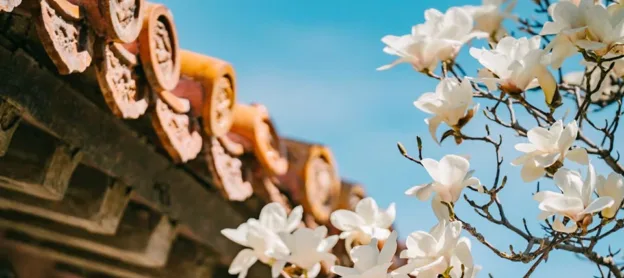
Xi’an is synonymous with its ancient City Wall, which has been meticulously maintained in much of its original condition. Cycle around this former fortress and imagine the view that former city guardians took in. Adjacent to the Xi’an City Wall is Huancheng Park (also referred to as City Wall Park) which transforms into a floral sea of magnolia, apricot blossom, and Chinese flowering crabapple. The traditional architecture nestled within this colourful tapestry is at the very least photo worthy, but at best, perfectly captures the essence of Xi’an’s history.
If you love flowers, then Qinglong Temple is Xi’an’s top spot for cherry blossom viewing. Home to more than 600 cherry trees across eleven varieties, the temple grounds transform into a breathtaking sea of pink and white blossoms from mid-March to late April. These delicate flowers perfectly frame the ancient Tang Dynasty architecture and many stunning photographic memories have been caught on film here.
In keeping with the floral theme, Daming Palace National Heritage Park in Xi’an is perfect for a spring visit, with its expansive grounds, blooming flowers, and peaceful gardens. Magnolia, plum and apricot blossoms, Chinese crabapples, pear and peach blossoms, winter jasmine and other flowers bloom in artful sequence, attracting a large number of locals and tourists to enjoy flowers and take photos. Strolling beside Taiye Pond amid blossoming greenery, you can enjoy fresh air and scenic views while stepping back into the grandeur of the Tang Dynasty.
Tang Paradise awakens in spring with vivid bursts of color in its gardens. The exquisite Tang Dynasty architecture, distinctive through its intricate construction, blends beautifully with garden surrounds, offering more perfect photo opportunities. Each pavilion, bridge, and sculpture is revitalized, set against the lush, colorful backdrop of spring’s arrival. It is an ideal place for a Hanfu photoshoot experience.
Located next to the Big Wild Goose Pagoda, the Tang Dynasty style Da Ci’en Temple Ruins Park offers a great view of the Big Wild Goose Pagoda. Not only does a visit here offer the perfect opportunity to capture both the Buddha statue and the Pagoda, it is also a unique place to experience the changing scenery of Chang’an – blossoms in spring, the fallen leaves in autumn, and the snow in winter.
For yet more flowers, Xingqing Palace Park is another popular spot. From March to May, the park’s tulips, peonies, and Chinese peonies flourish in vibrant colors, attracting numerous visitors. Planning your Xi’an tour to kick off in early April? Make a beeline here to lay your eyes on over 200,000 tulips clashing in vibrant colors from red through to yellow, white, and purple. Alongside tulips, you’ll also find cherry blossoms, lilacs, bauhinia, yellow roses, osmanthus and wisteria, creating a breathtaking floral spectacle.
Xi’an’s spring food favorites
Xi’an Liangpi: Spring’s Cooling Comfort
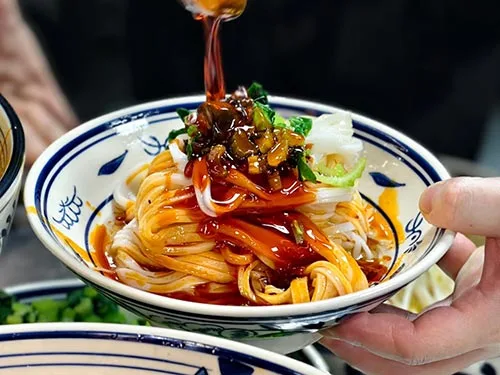
While Cold Noodles (Liangpi) are beloved year round, spring marks the beginning of the season for this refreshing cold noodle dish. Made from wheat or rice flour and served with a tangy blend of sesame paste, chili oil, cucumber, and bean sprouts, Liangpi offers the perfect balance of spicy, sour, and savory flavors. Liangpi is light yet satisfying and provides the perfect spring day sustenance.
Local Xi’an cuisine coloured by fresh wild vegetables
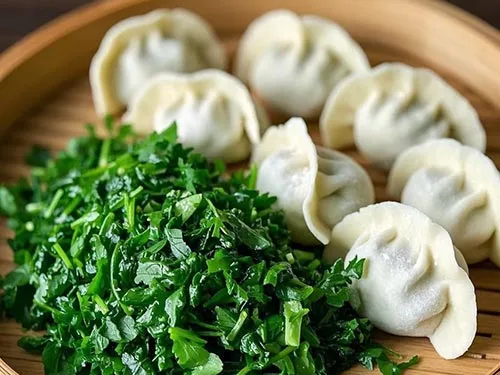
Spring in Xi’an brings a fresh variety of seasonal vegetables that local chefs use in both traditional dishes and seasonal specialties. These wild vegetables, such as Chinese toon leaves (xiangchun), Shepherd’s Purse (jicai) and alfalfa sprouts (musu), elm seeds (yuqian) offer light, vibrant flavors that perfectly suit vegetarian dishes. Their fresh and clean taste makes spring a great season for enjoying healthy, plant-based meals in Xi’an’s rich culinary tradition. Locals devour these fresh wild vegetables in dumplings, noodle soups, and maifan (steamed vegetables with flour). Why not join them at a local street food stall and sample your fair share?
Iconic spring dishes Xi’an locals love
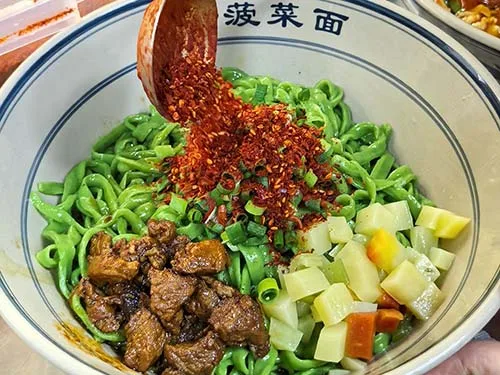
Handmade green noodles (the green is spinach derived) are considered an iconic spring food for local Xi’an people. These ‘seasonal’ noodles are found in noodle soups, cold noodle dishes, stirfried noodles, and hot oil noodles (biang biang noodles), by far the most popular noodle dish amongst locals.
Read more
Another typical Xi’an dish for welcoming spring is huaihua maifan, made from the edible flower of black locust blossoms. The white pea-like flowers are washed, mixed with flour, and steamed. Served and seasoned with minced garlic, vinegar, soy sauce, and chili oil, huaihua maifan has a salty yet fresh taste that is light – and delicious, naturally. For local Xi’anese, it is said if they don’t eat huaihua maifan, they have missed spring, so if you happen to be visiting during March to May, be sure to sample this traditional dish at least once.
Throughout China homemade snacks are a beautiful childhood memory for many. In keeping with this tradition, garlic chives are considered freshest and most nutritious when harvested in the spring, so you will find tender and juicy garlic chives in an assortment of dishes from stirfried eggs with garlic chives to steamed buns filled with garlic chives and tofu, or the most loved, pan-fried garlic chive ‘pocket’. Be on the lookout for local street stall specialities as you wander Xi’an’s streets.
Zenggao: Sweet spring celebrations
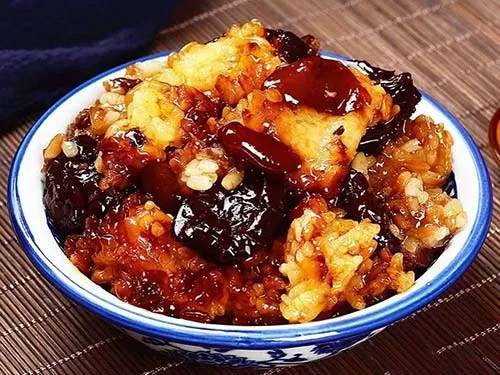
A traditional steamed glutinous specialty, this delicious rice cake is layered with red dates, kidney beans, and white sugar. It is especially popular during spring festivals and celebrations, and why not? A soft, sweet treat, it offers the perfect ending to a day spent exploring Xi’an’s attractions, providing comfort and energy for travel adventures to come.
Xi’an in autumn: Why visit Xi’an between September and November?
As summer’s warmth recedes, Xi’an undergoes a metamorphosis from September to November. The city’s ancient stones and storied temples are framed by cascades of amber and gold as leaves change colour. Visitors will notice the air is crisper and cooler, making exploration through the city and its surrounds enjoyable and manageable.
Xi’an’s best sites to visit in autumn
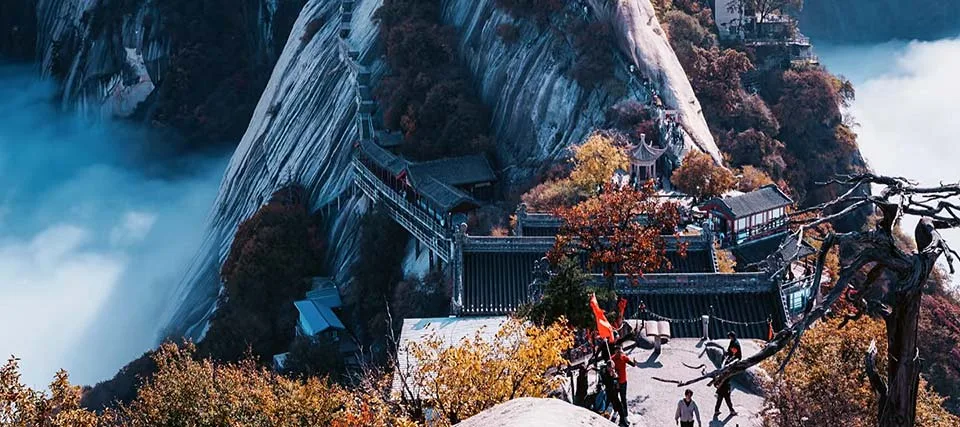
Mount Hua is picturesque in all seasons. In spring, there are blooming mountain flowers, in summer, overlapping emerald peaks, while in winter, there are snowcapped mountains. Autumn, however, is by far the most enchanting season in Huashan. Whether you prefer dawn, dusk, or any time in between, Mount Hua presents an exquisite canvas with its peaks dyed red by the changing maple leaves. It’s a perfect time for hiking and scenic views. Take in the towering peaks in the crisp autumn air or experience the hazy beauty of misty clouds while traversing the mountain’s plank paths.
The Small Wild Goose Pagoda is famous for its contemplative atmosphere and in autumn the tranquility is deepened by the surrounding natural scenery and artistic conception of the ‘Yanta Morning Bell’. The golden accent provided by the turning ginkgo trees make Small Wild Goose Pagoda well worth a visit in autumn.
Located in the bustling Muslim Quarter, the Great Mosque in Xi’an is truly a tranquil escape that contrasts with the melee of local markets. A complex of five courtyards blending Chinese and Islamic architecture, the garden is populated with cypress, pomegranate, jujube, apricot, and persimmon trees, each of which feature in traditional gardens. Together, they create a solemn oriental garden landscape for contemplation. In autumn, you will find persimmons ready to be ‘harvested’ here as they hang heavily from branches. With their deep burgundy hue a stunning complement to the unique blue of the buildings, you could be forgiven for thinking the slight scent of osmanthus in the air is an almost theatrical touch.
For more natural autumn beauty, visit Taiping National Forest Park. Renowned for the vibrant crimson canopy it transforms to in autumn, visitors will delight in the park’s 160 meter Rainbow Waterfall, which casts dazzling rainbows around noon on sunny days. It is definitely a magic autumn landscape.
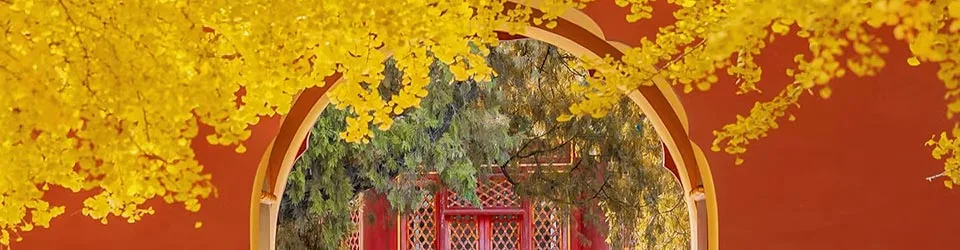
As though framed by a golden halo of ginkgo trees, the Hanyangling Mausoleum is stunning as autumn peaks in November. This ancient burial site blends history with the best of the season’s natural beauty, embodying the perfect harmony of Xi’an’s past and present.
Xi’an’s favorite autumn culinary delights
As Xi’an’s temperatures cool and the city is wrapped in autumn’s colours, its culinary scene warms up with hearty, harvest inspired flavors. From steaming bowls of lamb and bread soup to the sweet richness of fresh jujubes sold at bustling market stalls, autumn’s seasonal specialties offer comforting tastes that perfectly complement crisp days and vibrant landscapes.
Flatbread in Lamb Soup (yangrou paomo) is Xi’an’s autumn and winter favorite, especially in the Muslim Quarter. Explorers are encouraged to try it at least once. Tear pieces of flatbread into a bowl of rich lamb broth, where the bread softens perfectly before consuming. Add a little garlic paste and chili oil to enhance this hearty, warming dish that will fuel a full day of exploration.
Fresh Jujubes shine in Fuping and Dali. Fuping’s jujubes are plump with tender flesh and small pits, while Dali’s have shiny skins and are sweeter. Fresh jujubes are an antioxidant-rich superfood with high levels of vitamins and minerals. Enjoy them fresh, as the supply time is too short.
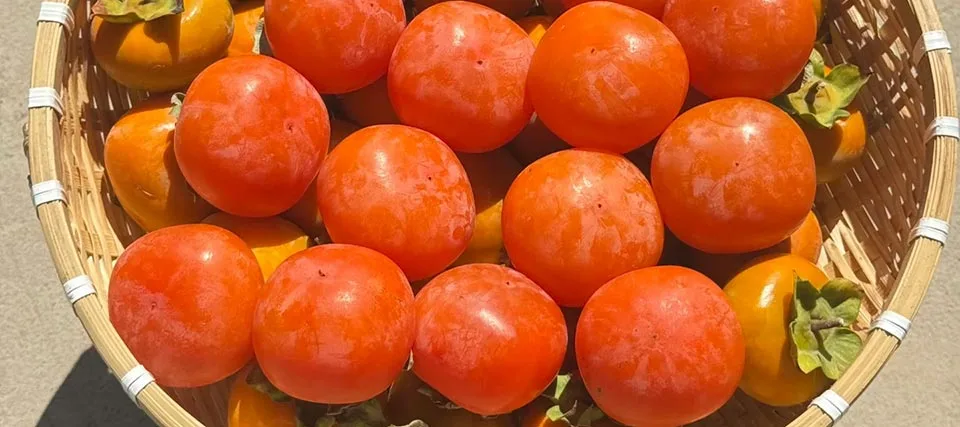
Lintong’s persimmons are regaled for their thin skin and soft, sweet flesh that is melt-in-your-mouth delicious. During harvest, visitors can pick them fresh, or enjoy sun-dried persimmon cakes made by locals. In the Muslim Quarter, fried persimmon donuts are the most popular sweet treat during autumn. Yet another persimmon inspired sweet treat is persimmon huta. Taking the paste of ripe persimmons, this is combined with flour in a round shallow spatula, then deep fried. Yes, it tastes as good as it sounds. A well earned treat after exploring Xi’an’s streets.
Like the persimmons of Lintong, the pomegranates from here are widely appreciated. With a deep heritage tied to imperial royal families, Lintong’s are also famous for their large size, thin skin, juicy texture, sweet taste, soft core, and excellent quality. Xi’an markets sell the ruby-red seeds in cups – a delicious, refreshing snack on a crisp autumn day. Not a fan of seeds? No problem. Quench your thirst with a freshly squeezed pomegranate juice and discover what locals love about this special fruit.
Xi’an highlights by month
Looking for a detailed breakdown of Xi’an highlights by month. We’ve captured it all here. Keep in mind that event dates are changeable year to year and although our trusty team of guides aim to always provide the latest information, we recommend you check websites and event organisers to ensure you have the most up to date details.
Month
Weather
Holidays
Special Events
Major Exhibitions & Conferences
January
-4.4°C to 5.0°C
New Year’s Day
New Year Celebrations – New Year’s Day festivities (Jan 1)
—
February
-1.1°C to 9.3°C
Chinese New Year
Xi’an City Wall Lantern Festival: elaborate lantern displays, cultural performances, and Tang Dynasty themes.
—
March
3.9°C to 15.5°C
End of Lantern Festival
Xi’an City Wall Lantern Festival continues through March 9
1. ROUTES ASIA; 2. CNHE 2026: International Xi’an China Exhibition on Heat and Warm Supply & Air Conditioner Boiler Technological Equipment.
May
13.9°C to 26.9°C
Labor Day Holiday
Silk Road International Film Festival: Major trade exhibition.
1. HOSFAIR XI’AN 2026: China International Hospitality Equipment, Supplies, Food & Beverage Fair. 2. XI’AN COFFEE TRADE FAIR 2026
June
18.7°C to 31.7°C
Dragon Boat Festival
Dragon Boat Festival: Traditional festival with dragon boat races and cultural celebrations.
—
July
21.7°C to 32.8°C
Summer school holiday
Summer Cultural Programs: various music concerts and cultural performances at venues like Xi’an Concert Hall.
—
August
20.5°C to 30.7°C
—
Tang Dynasty Never Sleep City: an immersive cultural experience combining ancient Chinese civilization with modern technology.
—
15.8°C to 25.4°C
Mid-Autumn Festival
Xi’an Ancient Culture and Art Festival: Annual celebration held every September
WPE & WHPE – WORLD OF PLANT EXTRACTS & INNOVATIVE NATURAL INGREDIENTS EXPO 2025
Euro-Asia Economic Forum (23-25 Sep 2025)
October
9.8°C to 19.3°C
National Day Golden Week October 1 – 7
Xi’an Night Museum Tours: the city’s renowned cultural heritage sites illuminated for evening exploration.
GLOBAL TEA FAIR CHINA – XI’AN 2025
November
2.8°C to 12.6°C
—
Xi’an City Wall International Marathon
—
December
-2.7°C to 6.6°C
Christmas activities
New Year’s Eve Countdown at Wangfujing
—
Insider tips for timing your flight booking to Xi’an
Planning a trip to Xi’an from the US, Europe or Australia requires smart timing to capitalize on reduced seasonal rates and to avoid peak travel periods like Chinese New Year or the National public holiday week in October. While there are no direct flights – so expect at least one connection via Beijing, Shanghai, or Hong Kong (hint: that’s the perfect way to see more of China) – there are ways to get around these factors. Here’s our team’s best suggestions:
Book early and smart
It might sound like we’re starting the obvious, but where possible book three to six months ahead for better fares, seats, and connections. Prices often jump two to three months before scheduled departure dates.
Target September to October for pleasant weather and fares that are generally ten to 20 percent lower than other popular travel periods.
Avoid June through to August and December when demand and prices peak.
Maximize savings
Set fare alerts four to six months out and watch for midweek dips.
Choose weekday departures as they are often 15 to 25 percent cheaper than weekends.
Consider early morning or late night flights to capture additional savings.
Plan connections carefully
Do we need to say that tight connections increase stress and the risk of missed flights? Our top tip here is to allow a minimum of two to three hours for layovers in Beijing, Shanghai, or Hong Kong to clear security/customs. These airports are huge and busy, so leaving ample time to avoid last minute panic or rushing is wise.
Have more time between trips than anticipated? We recommend making the most of it by turning layovers into mini adventures. Research ahead and find out what is possible in a day layover. You could find yourself ticking another destination off your bucket list.
Use multi-city/stopover tickets to spend one or two days in the hub city, then continue to Xi’an, often with little or no extra fare charges. And the bonus? A short stop in Beijing, Shanghai, or Hong Kong breaks up long travel and adds to your travel memories.
Be flexible
If there is one thing travel does is challenge our need for rigid routines. Our big tip here is to remain flexible. Compare routes and mix airlines if needed. Why? Because separate one way tickets can sometimes reduce overall costs.
Flexibility on dates and times can also help travelers capture the best value. Be patient and research thoroughly. It does pay dividends and it means more money in your traveling pocket.
With early booking, smart scheduling, and well-planned connections or stopovers, the journey to Xi’an becomes smoother, better value, and more enjoyable.
Experience the magic of giant pandas with your family on an unforgettable panda volunteer tour designed to educate, inspire, and create lasting memories together. An immersive family friendly program, spending time with this gorgeous natural wonder offers a fun and practical way to learn about one of China’s most treasured animals. And the bonus? Every visit makes a valuable contribution to conserving these precious creatures.
What to expect on this tour
Let’s face it. There are very few who have found themselves up close with pandas, so it’s hard to know what to expect. Don’t be concerned. We have you covered with these top tips:
Deep dive panda learning: Visitors have the opportunity to explore the biology, habits, and fascinating history of giant pandas through guided lessons and educational documentaries designed for all ages.
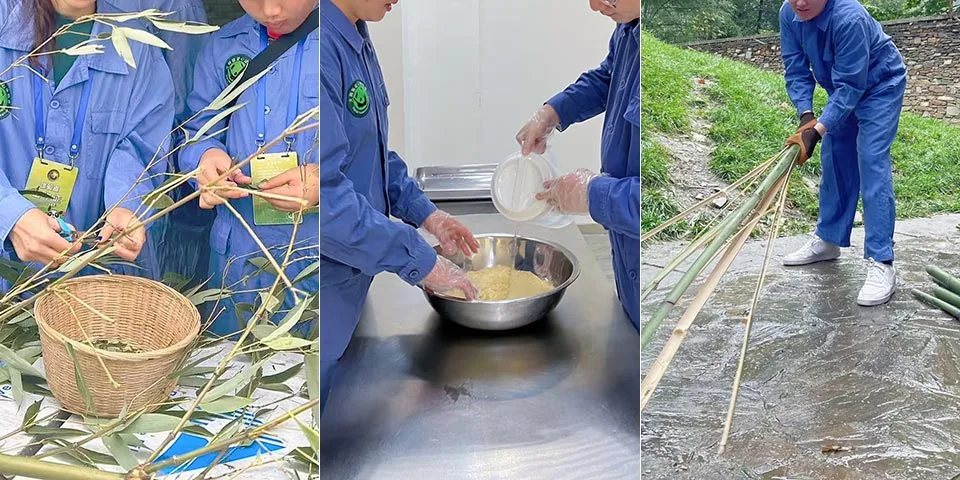
Hands on volunteering: Whether you’re a big kid or traveling with kids, this experience offers the chance to join in activities. From preparing a seeming mountain of that trusty and much loved panda staple – bamboo, to crafting specially designed panda enrichment toys, observing panda behavior, and helping with cleaning out panda habitats, there is plenty to do for any willing traveler. And you’re never alone. All activities are supervised by local trained keepers.
Exclusive access: For something a little special, arrangements can be made for exclusive access to panda research centers. It’s here you can see professional keepers in action and learn about panda health and conservation research.
Creative family fun: If you’ve more of a creative bent, you can take part in panda themed crafts. Fancy a bamboo headpiece? Or maybe a handmade souvenir. We all love a travel memento and this is certainly one kids will treasure.
Outdoor exploration and teamwork: While pandas enjoy their indoor spaces, they love the outdoors. Why not get active and outdoors too? Not only does this experience foster physical activity through chopping bamboo and collecting food samples, it also brings the family closer together.
Recognition and memories: Celebrate the family’s achievements with certifications and commemorative gift packs. Yes, there’s one for every family member so mom and dad don’t miss out!
Spending time around and learning about pandas is really about creating genuinely special memories and making learning fun for the whole family.
Panda program highlights: What’s in it for families
Still wondering if this is the right activity for your crew? Check out these other highlights that make a panda visit worthwhile:
Panda education is fun – Even if biology was not your thing at school, nobody can resist pandas. This tailored program offers eight specially designed topics designed to be fun, interesting, and expand your understanding of why pandas are so important. Learn the how and why of all things panda, from diet to habitat to their many endearing (and even some annoying!) habits, including.
All inclusive – The program is all inclusive. That means everything from materials to uniforms and tools are provided. Your job? Simply bring your curiosity and enthusiasm!
Meals included – Panda care can work up an appetite, which is why the program includes nutritious meals and snacks to keep volunteers of all ages energized for the duration.
Time
Activities & Experiences
Location
Morning
Welcome! Program introduction, safety briefing, and sign-in
Science Centre
Prepare fresh bamboo, sample collection, or diet analysis
Panda Enclosure
Observe and record panda behaviors
Park Area
Learn about caring for pandas
Panda Enclosure
Midday
Enjoy a buffet lunch and relax
Dining Hall
Watch a heartwarming panda documentary
Multi-Function Hall
Prepare special gourmet treats for the pandas
Science Centre
Afternoon
Take part in a caring session with pandas
Panda Enclosure
Create panda themed bamboo headpieces and receive your program participation certificate
Science Centre
Tour wraps up. Time to wave goodbye to the pandas
Where can you find pandas?
There is no shortage of options for enjoying a panda experience, which is why we’ve curated our ‘best of’ list and thrown in our tips and recommendations for experiences you can add on while in the region.
表格示例
Site
Ticket Price
(RMB)
Openning Hours
Location & Access
Highlights
Dujiangyan Panda Base
¥55 entrance fee
¥700 for panda Volunteer tour
08:30 – 16:30
Add: S106, Qingchengshan Town, Dujiangyan City, Chengdu (60 kilometres from Chengdu)
Tips: Take Metro Line 2 to Xipu Intercity High-Speed Rail to Dujiangyan Station
Fewer crowds
Closer panda view
Easy transport
Wolong Shenshuping Panda Base
¥85 entrance fee
*¥700 for panda Volunteer tour
08:30 – 16:30
Add: Wolong Nature Reserve, Wenchuan County, Aba Tibetan and Qiang Autonomous Prefecture (100 kilometres from Chengdu)
Tips: self-drive recommended
Scenic,
diverse wildlife,
but remote
Bifengxia Panda Base
¥100 entrance fee
*¥600 for panda Volunteer tour
08:30 – 16:30
Add: Bifeng Gorge Scenic Area, Bifeng Town, Xiali Township, Yucheng District, Ya’an City (150 kilometres from Chengdu)
Tips: Ya’an Bifengxia, high speed rail + taxi recommended
Great natural environment,
villa-style facilities
For families choosing Bifengxia Panda Base, we highly recommend planning a two day, one night adventure. With plenty of welcoming guesthouses nearby, you can enjoy both the giant pandas and explore Southwest China’s largest Bifengxia Wild Animal Park at a relaxed pace. It’s the perfect family getaway that combines two amazing attractions into one unforgettable adventure.
Essential tips for your family panda visit
Age Requirements and booking
Despite their universal appeal, pandas are big, which is why program participants must be between 8 and 70 years old, and children 8 to 15 years must be accompanied by a paying adult. To avoid disappointment all bookings should be made at least five days in advance. During activities, participants are required to wear the provided work uniform, badge, and gloves, keep attire neat, and wear suitable closed toe shoes. Keep in mind too that neither perfume nor strong scented cosmetics are permitted.
Start early for the best views
It’s an understatement to say that pandas are hugely popular. For this reason we highly recommend arriving bright and early because the early bed gets the very best panda views. During hot weather, pandas are much more active in the cool morning hours. By afternoon, these clever creatures prefer to relax indoors with air conditioning. An early start means you’ll catch the pandas at their most playful and engaging.
Come prepared for nature
The panda bases are home to lots of beautiful bamboo, which naturally attracts mosquitoes and other insects. Pack insect repellent to keep your family comfortable throughout their visit. A little preparation goes a long way toward ensuring everyone enjoys the experience.
Travel light with peace of mind
Facilities at the panda centres are well set up for comfort. That means there is no need to worry about carrying your family’s gear around all day. The park offers convenient luggage storage facilities, so you can explore comfortably with just the essentials while keeping your belongings safe and secure.
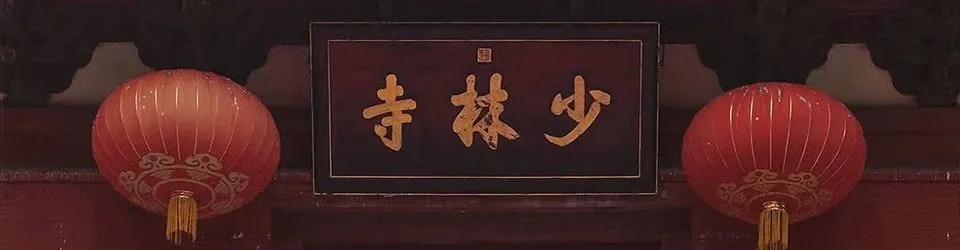
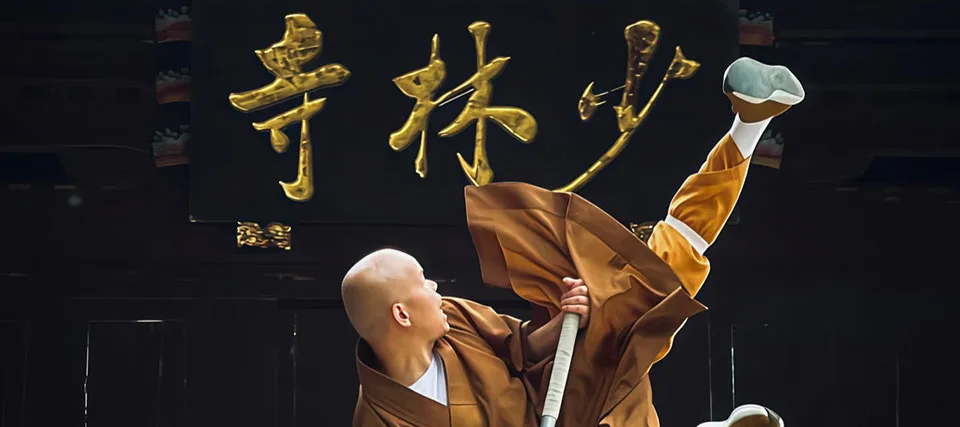
What better way to connect with China’s most legendary spiritual tradition than by visiting the very place where it all began? Shaolin Temple represents over 1,500 years of unbroken Buddhist heritage and stands as the undisputed birthplace of the legendary Shaolin Kung Fu and Chan Buddhism.
What makes Shaolin Temple extraordinary?
We’ve all seen movies and heard stories of the Shaolin Temple, but experiencing it first hand is something else. Curious as to why it continues to enthrall visitors today? Here are just a few reasons why:
Living Buddhist monastery – This isn’t a museum but an active spiritual center where practicing monks continue traditions established in 495 AD, maintaining unbroken lineages of both martial arts and Buddhist teaching.
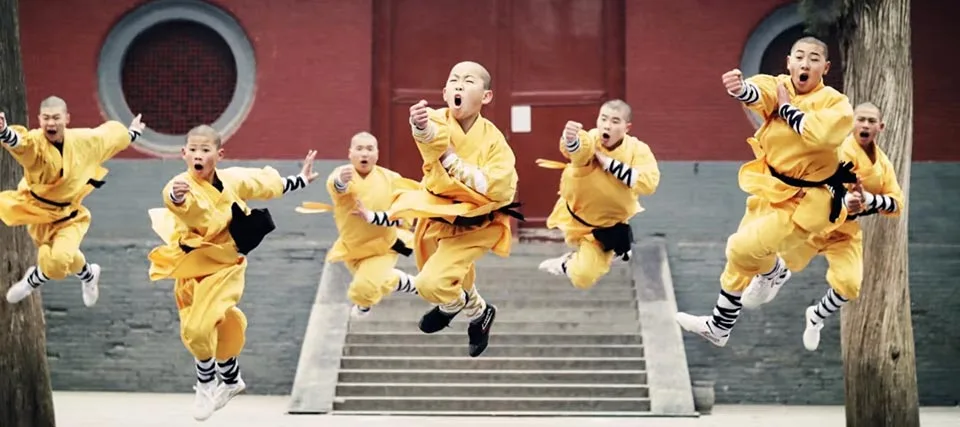
Authentic Martial Arts Heritage – Witness daily training sessions where monks practice the original 700+ Shaolin ‘solo forms’ of Kung Fu that became the foundation for all Chinese martial arts styles.
Architectural Masterpieces – Explore the temple complex featuring ancient halls, the famous Pagoda Forest with over 240 tomb pagodas, and sacred meditation chambers where legendary masters achieved enlightenment.
Cultural Immersion Opportunities – Participate in traditional ceremonies, observe monastic life, and learn from masters whose knowledge traces directly back to the temple’s founding.
Temple experience highlights
Location
Mount Song, Dengfeng City, Henan Province
Operating Hours
7:00 AM – 5:00 PM
Ticket Prices
¥80
Includes Shaolin Temple Main Complex, Pagoda Forest, Hermitage of the First Patriarch, Second Patriarch Temple, Bodhidharma Cave, Shaolin Martial Arts Hall, Sanhuangzha
Martial arts performance times
Daily demonstrations at 10:30am, 11:30am, 2:00pm, 3:00pm,
4:00pm (free with temple admission)
Transport
From Zhengzhou: 1.5 hours by express bus (¥30)
Departures every 30 minutes from 7:00am to 10:00am
Three major boarding locations: Zhengzhou Central Station, Zhengzhou Railway Station West Plaza, Hanghai Road-Jingguang Road Metro Station Exit C.
From Luoyang Longmen Passenger Transport Center: 1.5 hours by bus (¥35). Hourly departures
Dining in the district
All the excitement and activity of the Shaolin masters is bound to make you hungry, making sustenance a priority. We recommend you explore the area for the many vegetarian, noodle and braise meat options that are located in this precinct. It’s the perfect way to round out your Shaolin adventure.
The ultimate cultural immersion experience: SHAOLIN Zen Music Ritual
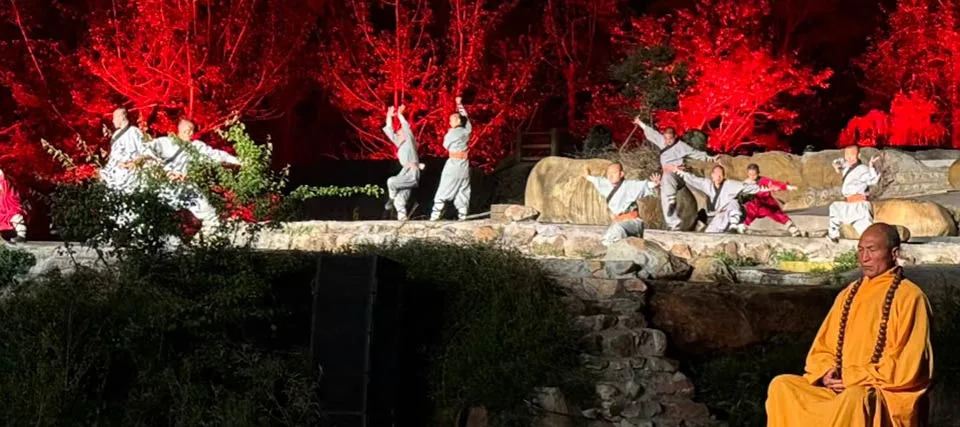
A day at Shaolin Temple provides the opportunity for an immersive experience of authentic Buddhist philosophy, traditional martial arts demonstrations, and the living heritage of China’s most sacred monastery. As the sun sets over Mount Song’s ancient peaks, the stage is set for the SHAOLIN Zen Music Ritual. A 1,500 year old tradition brought to life on this UNESCO World Heritage site is certainly something to behold.
What Makes This Experience Extraordinary?
Revolutionary Mountain Theater – The world’s largest outdoor performance venue uses Mount Song’s natural amphitheater as a backdrop, featuring a 20-meter artificial moon and over 2,800 precision lighting installations.
Authentic Cultural Heritage – Real Shaolin monks and martial arts masters perform traditional techniques passed down over centuries, delivering genuine spiritual and martial arts education.
Five Transformative Movements – Each 15-minute segment explores different aspects of Zen philosophy: Water (meditation), wood (spiritual growth), wind (martial arts), light (enlightenment), and stone (transcendence).
Performance details
Location
Daixiangou Valley, Dengfeng City, Henan Province (7 km from Shaolin Temple)
Schedule
March to November (8.15pm)
Ticket Prices
¥269 (Zone A & B)
¥1,000 (VIP)
Complete your Shaolin Journey: Stay at an authentic Zen retreats
After an enriching day exploring Shaolin Temple’s sacred halls and witnessing the spectacular mountain performance, deepen your spiritual experience by staying at one of the authentic Zen retreats nearby. The area surrounding Shaolin Temple offers numerous specialized meditation guesthouses that provide unique cultural experiences, allowing you to continue your spiritual exploration beyond daytime visits. These aren’t ordinary hotels. They’re carefully designed retreat centers that integrate traditional Buddhist lifestyle with comfortable modern amenities, creating the perfect environment for cultural reflection and spiritual rejuvenation.Talk to your guide about the many available options.
Shaolin Martial Arts School: Your go to for exceptional martial arts training
For martial arts enthusiasts, there can be few experiences which surpass training at the Shaolin Tagou Martial Arts School. Located in Dengfeng City, Tagou is the world’s largest Shaolin martial arts institution, the school offers authentic training in the birthplace of Chinese kung fu. More than just a school, Tagou is a vibrant martial arts community with over 35,000 students and nearly 3,000 staff, blending ancient traditions with modern training excellence. Whether you desire a short-term immersive week or a year long committed martial arts pilgrimage, Tagou provides a transformative Shaolin experience that changes lives.
What makes Tagou the ultimate martial arts destination? Here are three compelling reasons:
World’s largest martial arts institution – With a sprawling campus that functions as its own city, Tagou provides the most comprehensive martial arts education available anywhere in the world, combining traditional Shaolin techniques with systematic modern training methods. What’s not to like if you’re a martial arts aficionado?
Authentic lineage masters – Train directly with Shaolin monks and certified masters whose knowledge traces back through unbroken lineages to the original Shaolin Temple, ensuring you learn genuine techniques rather than commercialized imitations.
Complete immersion environment – Live, eat, and breathe martial arts in a community dedicated entirely to kung fu excellence, where every aspect of daily life reinforces your training goals.
For an insight to the rigorous training schedule, here’s a sample daily timetable.
Time
Activity
Note
6:00 – 7:00
Gong & Tai Chi
Optional morning meditation and gentle movement
7:10
Breakfast
Nutritious meal preparation for intensive training
8:30 – 10:00
Morning Training Session
Shaolin basics, acrobatics, sparring, power training, stretching
10:30 – 11:30
Morning Training Session
Traditional forms, applications, Shaolin basics
12:00
Lunch
Midday nutrition and rest
14:30 – 16:00
Afternoon Training Session
Sanda combat, power training, stamina building
16:30 – 17:30
Afternoon Training Session
Taekwondo, weapon forms, power training
18:00
Dinner
Evening meal and recovery time
19:20 – 20:00
Cultural Education
Chinese Mandarin, calligraphy
21:30
Bedtime
Rest and recovery
Comprehensive Shaolin training packages
If you’re serious about gaining a level of mastery over your martial arts capability, then booking in for an extended period of Shaolin training could be your next bold move. Here are indicative costs (as at 2025) for longer term training packages.
Training Duration
Total Price
Inclusions
Less than a week
$75 per day
Fundamental Shaolin kung fu principles and philosophy
1 Month
$1,270
Complete immersion experience
3 Months
$3,750
Intermediate skill development
6 Months
$7,380
Advanced form mastery
What can you expect with a comprehensive Shaolin training package? Here’s what we can tell you.
Every training package includes all classes with certified masters, access to professional equipment, private single room accommodation, three daily meals, optional Mandarin language classes, and an official graduation certificate upon completion. Definitely one to hang on the wall when you return home.
Training progresses systematically from foundational skills. Think basic kicks, punches, and introductory forms such as Da Hong Quan (Big Hong Fist) during short-term stays, advancing to intermediate mastery. At this level students learn traditional fist forms like Di Tang Quan (Ground Tumbling Boxing) and weapons training over three to six months, culminating in advanced expertise featuring elite techniques from Shaolin’s legendary 72 secret skills and 18 traditional weapons for year long students.
Beyond learning choreographed forms, masters teach complete practical applications and philosophical meanings, ensuring graduates understand both combat principles and cultural heritage. Upon completion, students receive official certification and join a lifelong learning community, embodying the wisdom that “You are never too old to learn” in the vast ocean of Shaolin kung fu knowledge.
Ready to enrol? Make your way to Mount Song Shaolin Temple Tagou Wushu School, Dengfeng City 452470, Henan Province.
Picture stepping into a city where 3,000 years of history unfolds beneath your feet while cutting edge innovation is found virtually in every corner. Beijing isn’t simply another stop on tour. It’s a destination, and time here will help you understand why generations of imperial families made it home.
As China’s vibrant heart and the world’s most populous city, Beijing is home to over 22.6 million residents. Welcoming millions of international visitors annually, this extraordinary metropolis exceeds every expectation. Here’s why discerning travelers consistently rank Beijing as a worthy inclusion in their tour itinerary.
Safety that lets you explore freely
We know that peace of mind is key to fully enjoying any destination. That’s why Beijing’s outstanding safety – among the best in China, in fact. As an international traveler, you can be confident exploring everything from historic hutongs to vibrant modern neighborhoods.
You can feel assured that the city’s sophisticated security infrastructure and visible police presence create an environment where your biggest concern is choosing between the Forbidden City or the Summer Palace for your afternoon adventure. While standard travel awareness applies in busy markets (as it would anywhere), violent crime against foreign visitors remains remarkably rare, letting you focus on creating memories.
Effortless arrivals, seamless exploration
There’s no better gateway to Asia than Beijing Daxing International Airport. It is the world’s sixth largest aviation hub, where over 80 million passengers annually experience the future of travel through its stunning single terminal design spanning 700,000 square meters.
In keeping with our philosophy that travel should inspire rather than tire, Beijing has revolutionized entry procedures. Foreign passport holders now enjoy 240 hour visa free transit, contributing to a remarkable 61.3 percent increase in foreign visitors during early 2025. Once you arrive, the city’s 29 line metro network, which rivals Tokyo’s legendary efficiency, connects every must see attraction with English signage and seamless mobile payments through Alipay and WeChat Pay.
Exceptional experiences at extraordinary value
As seasoned travelers know, true luxury isn’t always about spending more. It’s about experiencing more for what you invest. Beijing delivers world class attractions and impeccable service while maintaining refreshingly accessible pricing that lets you say ‘yes’ to those spontaneous discoveries. With 226 registered museums attracting over 80 million annual visits, Beijing offers cultural immersion that few cities in the world can rival, providing experiences that would take many visits to fully absorb.
The city’s tourism renaissance generated USD 4.91 billion in revenue during 2024. That’s a remarkable 151.7 percent increase, proving travelers recognize Beijing’s unmatched value proposition. International four and five star hotels typically range from USD 100 to USD 150 per night, while charming traditional courtyard guesthouses offer authentic experiences from USD 40 to USD 80.
Food experiences in Beijing are unrivalled. Expect to pay between USD 5 and 15 for street food discoveries, and USD 30 to 60 for upmarket dining experiences. There are plenty of fine dining Michelin star options too, and while these may set you back a little more, you’ll enjoy the insight they provide to Beijing’s culinary leadership. And if you’re trying to decide between public transport and Didi, take advantage of the low fares available on buses and trains. At just 50 cents per metro ride, or under USD 5 for all-day access, it is very affordable travel.
Cultural treasures that redefine ‘must see’
Beijing is the only city on Earth to host eight UNESCO World Heritage Sites, surpassing iconic capitals like London, Paris, and Rome. The reason? Beijing is home to an extraordinary concentration of landmarks that define both Chinese civilization and human achievement. The city’s remarkable heritage sites hold multiple global records, making Beijing a destination unlike any other.
Of course, everyone knows the Forbidden City or Palace Museum. Standing as the world’s largest imperial palace complex, the Forbidden City sprawls across 72 hectares with 9,999 rooms. Inscribed as a UNESCO World Heritage site since 1987, it served as China’s imperial residence and political center for nearly five centuries. Amazing! Adjacent to this architectural marvel lies Tiananmen Square, recognized as the world’s largest city center square, covering 44 hectares.
The Temple of Heaven, located in the southeastern part of central Beijing, showcases the world’s largest ancient sacrificial complex, featuring acoustically perfect highlights such as the Echo Wall and the symbolic Circular Mound Altar. Situated in Haidian District, the northwestern suburb of Beijing, another Beijing’s must-see attraction is the Summer Palace, a historical site which is among the best preserved royal gardens, a masterpiece of Chinese garden art and imperial landscape design.
The ancient Great Wall, accessible from Beijing via its iconic Badaling and Mutianyu sections, represents humanity’s longest defense structure. Incredibly, it stretches over a total length of 21,196 kilometers, hence its Chinese name “10-thousand-mile-long wall”. Apart from being a symbol of China – visionary, enduring, and practical – the Great Wall is also a demonstration of the country’s spirit. A must-see thing to do in Beijing for most first-time visitors to China who make Beijing a destination on the bucket list.
Fan of city design? Why walk the length and breadth of Beijing’s Central Axis? Measuring 7.8 kilometers, this stretch of road is the world’s longest urban central axis and was recently declared by UNESCO as a shared heritage of humanity. For a step back in time, make your way out of the bustling heart of Beijing and head northwest of the city to the Ming Tombs. This is the world’s most concentrated imperial burial site, covering a huge 40 square kilometers. This imperial mausoleum complex, constructed over 200 years from 1409 to 1644, houses tombs of thirteen Ming emperors, twenty-three empresses, two princes, and over thirty concubines.
Perfect weather windows for every adventure
Those picture perfect travel moments happen when nature cooperates with your itinerary. Beijing’s spring and autumn months deliver ideal conditions: 15°C to 25°C daytime temperatures under sunny skies that make the Great Wall’s ancient stones glow golden in afternoon light.
Environmental improvements have dramatically enhanced outdoor experiences, with annual PM2.5 levels dropping 65 percent since 2013 to just 30.5 µg/m³. The result? More than 300 days annually of excellent visibility for those breathtaking Great Wall panoramas and Summer Palace sunset strolls.
A culinary journey across China’s regions
Why settle for one regional cuisine when Beijing offers them all? Beyond the legendary Peking duck and imperial court delicacies, the capital showcases authentic flavors from across China’s vast territories. Choose from fiery Sichuan hotpot, delicate Cantonese dim sum, bold Hunan specialties, and fresh Shandong seafood to savor the full repertoire of flavors.
Street food markets pulse with energy as vendors craft hand-pulled noodles and perfectly steamed dumplings before your eyes, while Michelin-starred establishments elevate regional traditions into culinary art. Whether you’re craving a quick USD 5 street snack or a USD 60 gastronomic experience, Beijing’s food scene ensures every meal becomes a delicious discovery.
Tailored experiences for every travel style
Whether you’re traveling with three generations of family or organizing a corporate retreat, Beijing adapts to your group’s unique dynamics. Children light up during panda encounters at Beijing Zoo and interactive exhibits at world class science museums, while Universal Studios Beijing provides thrills that transcend language barriers. Visit local food markets or grocery stores to uncover favoured delicacies. Or have your very own suit or dress custom made by the local tailors. Spend a day at one of Beijing’s myriad museums and galleries catering to diverse themes and interests.
Meanwhile, adults appreciate customizable private tours that move at your preferred pace, private transfers that eliminate waiting, and certified English-speaking guides who adjust their commentary to match your group’s interests and energy levels.
The definitive answer? Yes, Beijing is a must visit destination in China
Whether planning a focused visit or a strategic stopover, Beijing’s unique collection of world class attractions, rich cultural heritage, and exceptional accessibility make it not merely a destination worth visiting, but an essential gateway to understanding both historical and contemporary China. The real question is not whether to visit Beijing, but how much time you can dedicate to fully exploring its extraordinary heritage and vibrant modern life.
Beijing, the vibrant capital of China, stands as the nation’s political and cultural epicenter – and the primary gateway for millions of international travellers each year. Thanks to China’s increasingly generous visa free transit policies, visitors arriving at Beijing Capital or Daxing International Airports can now spend up to 240 hours – that’s 10 whole days – exploring the city and its surrounding regions without securing a visa beforehand. Under this policy, nationals of 55 eligible countries holding confirmed interline tickets to a third country may disembark, apply for a temporary entry permit at the dedicated visa free counter, and enjoy seamless travel within Beijing Municipality. Whether you’ve just a few hours in transit, or are planning a multi-day deep dive adventure, Beijing’s blend of imperial heritage, modern marvels, and authentic neighbourhood experiences offers an unforgettable taste of China.
In this article, we cover our team’s recommended highlights for one, four, seven and ten day tours in Beijing. And if you still can’t decide on what’s best for you, reach out! The friendly ChinaTours.com crew is here to help.
1 Day Beijing highlights tour
For travellers with just one precious day in Beijing, whether on a tight transit schedule or a whirlwind stopover, this ultimate highlights tour packs the city’s most iconic experiences into a seamless, unforgettable experience. You’ll make your way from imperial palaces to ancient battlements, then round off your day with Beijing’s most renowned dish, Peking duck. Covering the bare Beijing essentials, this tour is perfect for travelers with a short layover or transit.
Morning
Forbidden City
Midday
Mutianyu Great Wall
Optional
Peking Duck meal Hutongs stroll (time permitting)
Whether you’re racing against the clock or simply sampling the essence of Beijing, this one day tour delivers imperial splendor, ancient wonder, and culinary perfection – all in a single, unforgettable transit stop. Enjoy every moment of your Beijing highlights reel!
4 Day Beijing highlights tour
Embark on a captivating four day journey through Beijing, where ancient grandeur and vibrant modernity coexist in perfect harmony. From the moment you touch down at Beijing Capital or Daxing Airport, your private guide will welcome you into the heart of China’s capital, unveiling millennia of history, imperial treasures, and authentic local life. Over the next four days, you’ll wander the vast courtyards of the Forbidden City, marvel at the winding Great Wall, and discover serene temple complexes. Stroll through bustling hutongs, sample street market delights, and witness the city’s spectacular Olympic landmarks.
Whether you’re a history buff, a culture seeker, or simply in search of an unforgettable adventure, this expertly crafted Beijing tour delivers the perfect blend of iconic sights, insider experiences, and flexible free time, ensuring your Beijing highlights are stored as beautiful travel memories.
Day 1 – Arrival & Orientation
Arrive at Beijing Capital International Airport (PEK) or Beijing Daxing International Airport (PKK)
Meet guide, transfer to city-center hotel
Free afternoon to explore nearby neighbourhood and shopping area
Day 2 – Imperial Beijing
Tiananmen Square
Forbidden City
Summer Palace
Stopover at Bird’s Nest and Water Cube (2008 Olympic venues)
Day 3 – Great Wall & Old City
Mutianyu Great Wall (cable car and walk)
Confucius Temple and Imperial College Museum
WudaoyingHutong (shops, café, stroll)
Day 4 – Spiritual Landmark & Departure
Temple of Heaven
Transfer to airport or train station for the departure
Experience Beijing’s highlights in four days: explore the Temple of Heaven, Forbidden City, and Mutianyu Great Wall; wander historic hutongs; and marvel at the Bird’s Nest and Water Cube, seamlessly woven with insider access, private transfers, and free time for your perfect Beijing adventure.
7 Days Beijing highlights tour
Embark on a comprehensive seven-day Beijing journey that blends ancient wonders, modern marvels, and authentic local life. You’ll trace imperial history at the Forbidden City, Temple of Heaven, and National Museum; conquer the Mutianyu Great Wall; wander storied hutongs like Wudaoying and Shichahai; meet giant pandas at Beijing Zoo; and shop for treasures at Panjiayuan and Hongqiao markets, immerse into Beijing’s art and fashion at Sanlitun and 798 art zone. With thoughtful pacing and curated experiences, this tour ensures an immersive, unforgettable exploration of China’s dynamic capital.
Day 1 – Arrival & City Orientation
Arrive at Beijing Capital (PEK) or Daxing (PKX) International Airport
Meet your private guide and transfer to your central 4 or 5 star hotel
Enroute orientation drive past key landmarks
Free afternoon to explore nearby streets and markets
Day 2 – Imperial Beijing
Tiananmen Square
Forbidden City
Summer Palace
Day 3 – Spiritual & Ancient Wonders
Temple of Heaven
Mutianyu Great Wall (cable car + walk)
Stopover at Bird’s Nest & Water Cube (2008 Olympic venues)
Day 4 – Monastic, Scholarly & Traditional Lanes
Beijing Zoo (giant pandas, aquarium)
Lama Temple (Yonghegong)
Wudaoying Hutong (shops, café, stroll)
Confucius Temple & Imperial College Museum
Day 5 – Art, History & Fashion
National Museum of China (Chinese history & art)
Shichahai & Prince Gong Mansion (hutongs & siheyuan)
A famous local food market Zhaojunsheng (local life, snacks)
JD MALL (futuristic shopping hub of China’s largest retailer, JD.com)
Day 7 – Departure
Transfer to airport or train station for onward journey
This comprehensive six night tour weaves together the magnificent of Beijing’s imperial history, vibrant hutongs, local markets showcasing both the beautiful and brash, popular shopping destinations, and modern attractions. Perfect for travelers with time and who enjoy getting ‘under the bonnet’ of the destinations they visit.
Extended Beijing DIY tour (10+ days)
While some travelers enjoy the company and support of bilingual guides, there are others who embrace adventure and prefer to self manage their exploration. This extended 10+ days Beijing DIY tour is flexible enough to take everything listed in our recommended one, four, and seven day tours – and then some. As experienced tour designers, here’s our ‘ingredients list’ for the resourceful, adventurous type who loves to discover on their own.
Deep Dives on Beijing’s Iconic Sites
Great Wall exploration: Choose from full day hikes or multi-day camping on Mutianyu, Simatai, Jinshanling, or other sections
Full day visit to Gubei Water Town (Beijing Wtown)
Forbidden City and Imperial Treasures
Themed tours: Qing Dynasty architecture, private collection highlights, and lectures on palace design and restoration
Temple of Heaven and Summer Palace
Boat rowing and calligraphy workshops in imperial gardens
Cultural Immersion & Learning
Traditional Chinese Medicine: Book herbal consults, massage, and acupuncture sessions
Calligraphy, painting, kite making, or clay figurine studios
Martial arts & performance: Early-morning Tai Chi with local masters
Beijing Opera mask making and face changing demonstrations
Neighborhoods & Hutong Life
Homestays in courtyard siheyuan for authentic family run experiences
Hutong trails: Self guided or rickshaw tours through Nanluoguxiang, Shichahai, Wudaoying, and hidden alleys
Panjiayuan antiques, Hongqiao pearls, Huguosi local snacks, and Ghost Street (Guijie) at night
Grand Canal exploration – Enjoy boat rides and rural village visits along Beijing’s historic waterway
Tianjin – Discover colonial architecture, Yangliuqing New Year paintings, and riverside promenades
Chengde – Visit the Imperial Summer Resort and UNESCO gardens
Qinhuangdao and Beidaihe for beach resorts and coastal fortresses
Shijiazhuang’s Zhengding Ancient City temples and pagodas
Datong – Famous for the Yungang Grottoes and Hanging Temple
Pingyao – A unique fully walled Old Town living museum
Whether you stay for ten days or two weeks, Beijing offers endless ways to build your perfect China travel adventure, with experiences that span six key themes: iconic landmarks, cultural immersion, local neighborhood life, contemporary art and design, wellness and leisure, and regional excursions. You might hike remote sections of the Great Wall, join a calligraphy or martial arts workshop, wander hidden hutongs, explore contemporary galleries in the 798 Art Zone, unwind in a traditional spa, or take day trips to ancient towns and beachside escapes. With so many options across these diverse perspectives, you can mix and match to design a trip that reflects your interests.
Whether you’re dreaming of wandering through ancient hutongs in perfect spring weather or watching autumn leaves cascade around the Great Wall, timing your Beijing adventure to experience all this city and surrounds has to offer is key to curating the perfect China tour. Having designed thousands of tours for discerning travelers, we understand that choosing when to visit this captivating city can feel overwhelming. With its four distinct seasons, vibrant festivals, history spanning millennia, and varying travel conditions throughout the year, it can make for a difficult choice.
It’s with that understanding we happily draw on decades of crafting unforgettable Beijing experiences for travelers from every corner of the globe that we’ve distilled our expertise into this easy-to-follow guide. You’ll discover which months offer perfect temperatures, when to avoid the city’s busiest travel spikes, and how to align your trip with Beijing’s cultural calendar – all so you can plan the ideal experience in China’s dynamic capital.
Spring and Autumn: Best seasons to visit Beijing
Given the array of sites Beijing offers, and to make the most of your time, it’s essential to align your visit to those seasons that highlight Beijing’s very best. Unquestionably, April, May, September, and October are the best months to experience Beijing. These golden months offer that perfect sweet spot we travelers dream about – comfortable temperatures, stunning natural beauty, and ideal conditions for exploring everything from the Great Wall to the Summer Palace.
Spring splendour: Beijing in April and May
As though divinely inspired, as the end of winter ticks over into spring, the city is converted to a veritable garden. Beijing in April and May erupts into bloom, with magnolias, peach blossoms, crabapple flowers, tulips, apricot blossoms, and lilacs creating a gorgeous tapestry of colors against Beijing’s historic backdrop. Spring in Beijing is a start contrast to its winter self, enjoying temperatures ranging from a comfortable 46°F to 79°F (8°C to 26°C) .
Beijing’s best spring attractions
During Spring, the Temple of Heaven transforms into a flowering wonderland, featuring Beijing’s largest apricot grove in the inner city precinct. Incredibly, most of these ancient apricot trees were planted during the Qing Dynasty, creating a stunning spectacle when they bloom from late March to mid-April. The peaceful temple grounds provide the perfect backdrop for morning photography as locals practice Tai Chi beneath the blossoming branches.
Make your way to Yuyuantan Park, which celebrates spring with its renowned Cherry Blossom Festival (mid-March to late May). Stroll beneath the park’s vast cherry garden – China’s largest where nearly forty cherry varieties burst into bloom in succession. By early April, hundreds of trees form a snowy canopy, perfect for leisurely walks or picnics.
At the Summer Palace, hundreds of pristine magnolias burst into life before Leshou Palace, once home to Empress Dowager Cixi. These snowy blooms seem to appear overnight, quietly transforming the imperial gardens. Reflections of white petals ripple across Kunming Lake, creating a scene of serene splendor.
Mutianyu Great Wall delivers a springtime spectacle like no other. Beginning in March, peach, apricot, and rhododendron blossoms paint the mountain slopes, and by mid-April the hiking trail becomes a fragrant floral corridor. Here, you’ll marvel at the Wall’s ancient stone alongside a riot of spring color.
Spring culinary delights
Spring brings Beijing’s markets alive with seasonal treasures that locals eagerly await each year. The tender Chinese toon leaves (xiangchun 香椿), crunchy Spring bamboo shoots (zhusun 竹笋) and fresh Shepherd’s Purse (jicai 荠菜) are the crown jewel of spring cuisine, appearing in markets after the precious spring rains. These seasonal delicacies, rich in antioxidants, are available for only a few weeks and are treasured by local chefs for their unique flavor.
Like every region in China, Beijing has its specialties. Each year, Beijingers celebrate and welcome Spring by having ‘Spring dishes’ like stir-fried Chinese toon with eggs; cold-dressed Chinese toon salad with tofu; pork and Shepherd’s Purse dumplings; braised Spring bamboo shoots; and Spring pancakes (chunbing 春饼), a wrap with stir-fried garlic chive, sprouts, spinach, shredded meats, fried eggs.
Beijing’s famous spring onions reach peak freshness during this season, providing the perfect accompaniment to the city’s renowned Peking Duck. Spring is also ideal for enjoying fresh noodle dishes like Zhajiangmian, which locals affectionately refer to as ‘the taste of home’, especially when paired with seasonal toppings that change with spring’s arrival.
Autumn’s brilliance: September and October
There’s something truly special about Beijing in autumn that captures the hearts of every visitor. As the summer heat fades, the city transforms into a floral masterpiece painted in osmanthus, chrysanthemums, red maple leaves, and golden ginkgo trees. September and October offer crisp, clear days with temperatures between 59°F to 79°F (15°C to 26°C), creating perfect conditions for outdoor exploring. The peak fall foliage season runs from mid-October to mid-November, when Beijing’s mountainous areas become a stunning palette of yellows, oranges, and reds.
Best Autumn Attractions to Experience
The Forbidden City becomes even more majestic in autumn, with a striking contrast evident in yellow ginkgo leaves offset by traditional red walls, ultimately creating some of Beijing’s most photographed scenes. September brings fewer crowds, allowing you to explore the vast Imperial Garden and scattered courtyards where colorful autumn flowers bloom alongside ancient architecture.
Fragrant Hills Park (Xiangshan Park) remains Beijing’s most popular destination for red maple leaves, transforming into a blazing canvas from mid-October. The park’s South Monkey Ridge Scenic Area and Baizhang Cliff Area offer the best viewing spots, where visitors can witness nature’s spectacular color show against clear autumn skies.
Beijing Diaoyutai Ginkgo Boulevard provides the most famous place to observe beautiful yellow ginkgo trees. These ancient trees, some with histories spanning several centuries, turn the entire boulevard into a golden tunnel that attracts photographers from across the city. The peak viewing time occurs from late October to early November.
In September, Taoranting Park transforms into a canvas of reds and yellows, with chrysanthemums bursting into late bloom. The park’s tree-lined paths and lakeside trails offer a sense of serenity, while historical structures like the Wan Shou Pavilion provide cultural depth and a deeper appreciation of traditional culture.
Looking for an insider highlight? Late October to Early November is the ultimate window for a Great Wall adventure. At Mutianyu, Badaling, or the rugged Jiankou section, trek high above valleys cloaked in red and gold. With mild temperatures, crystal clear air, and panoramic autumn hues, every step along these ancient ramparts feels like walking through a living masterpiece.
Autumn Culinary Delights
Traveling during this season offers a taste of Beijing’s autumnal dishes, perfect for warming up after being in cooler weather. After a Great Wall hiking adventure, savor Beijing’s most comforting culinary tradition: mutton hot pot (shuanyangrou). As Chinese traditions go, few things are better than sitting around a steamy hotpot as autumn drapes a chilly cloak over North China.
Autumn in Beijing brings the city’s most beloved seasonal foods, creating an atmosphere where streets are filled with aromas of roasted chestnuts and fresh seasonal fruits. Roasted chestnuts become the season’s signature street food, with long queues forming before hot chestnut stalls. These sweet and delicious treats not only warm your hands but also provide medical benefits, helping prevent diseases caused by the drier autumn weather.
Fresh persimmons flood Beijing’s autumn markets, offering their sweet, astringent flavor that perfectly captures the essence of the season. These shiny orange globes provide benefits needed to combat the cool, dry weather according to traditional Chinese medicine. Market vendors throughout the city showcase persimmon varieties, from soft honey-sweet types to crisp apple-textured varieties.
Tanghulu (candied hawthorn) reaches peak popularity during autumn months. This traditional snack of candied fruit, consisting of hawthorn berries with hardened sugar coating, provides the perfect balance of sour, sweet, and cold flavors. Street vendors throughout Beijing’s hutongs and major attractions offer these colorful skewers that have become synonymous with autumn in the capital.
Best times to avoid Beijing
While it’s difficult to avoid crowds wherever you are in China, there are times and places that are best avoided, and although sometimes travel dates aren’t entirely flexible, if you have options, here are the periods when Beijing becomes significantly more challenging for international visitors:
Chinese New Year – This traditionally significant annual festival – held during February – brings the largest migration of people in the world, with over 800 million trips occurring during this period. Chinese New Year 2026 falls on Tuesday, February 17th, starting a year of the Fire Horse. While fascinating and celebratory, expect widespread closures, extremely crowded transportation, and premium pricing across the board. China’s public holiday for Lunar New Year is eight days, typically running from Chinese New Year’s Eve (February 16th) to February 23rd in 2026.
Labor Day Holiday (May 1-5, 2026) sees millions of domestic travellers flooding Beijing’s attractions. During this period the normally peaceful Temple of Heaven and Great Wall are overrun with domestic tour groups and hotel prices surge dramatically.
National Day Golden Week (October 1 – 7, 2026) is perhaps the most challenging time to visit. Despite being autumn – normally the best season – this week-long holiday means popular destinations like Beijing become extremely crowded during Golden Week as millions of locals take advantage of the public holiday to travel. In 2026, National Day Golden Week will run from October 1 – 7, creating one of the year’s busiest travel periods.
Beijing’s summer (July to August) brings sweltering heat, often above 30°C with high humidity and sudden thunderstorms, making outdoor sightseeing uncomfortable. This coincides with China’s school holidays, so families flood the city’s most iconic sites. Think the Great Wall, Forbidden City, Summer Palace, creating long lines and overcrowded conditions.
During this period, the city’s air quality can worsen as heat and rainfall patterns trap pollutants. To mitigate these challenges, visit attractions early or late in the day, stay hydrated, and book accommodation well ahead.
Month
Weather
Holidays
Special events
Major exhibitions & holidays
January
−9°C to 2°C
New Year’s Day (Jan 1–3)
Ditan Temple Fair (offering folk performances, temple foods)
International Sports and Fashion Trade Fair (Jan 9–11)
February
−6°C to 5°C
Chinese New Year (Feb 17–23)
Lantern Festival (Mar 3) celebrations with lantern parades
China International Fishing Tackle Trade Expo (Feb 28–Mar 2) China International Beauty Expo
March
0°C to 12°C
End of Lantern Festival
Beijing Plum Blossom Festival (Beihai Park)
China International Building Decorations & Building Materials Exposition (Mar 12-14) Beijing Attractions Expo (Mar 19–21)
April
8°C to 20°C
Qingming Festival (Apr 5–6)
Spring Flower Festival (Yuyuantan Park cherry & magnolias)
Hortiflorexpo – The largest trade fair for the horticultural industry in China (April, 10-12) Auto China – Beijing International Automotive Industry Exhibition (April 24 – May 03) International Healthcare Industry Exhibition (CIHIE) (April, 28-30)
May
14°C to 26°C,
Labor DayHoliday (May 1–5)
Beijing International Music Festival opening concerts
China International Scientific Instrument and Laboratory Equipment Exhibition (May, 29 – 31)
June
19°C to 30°C
Dragon Boat Festival (Jun 19–21)
Dragon Boat Races at North Canal
China International Machine Tool & Tools Exhibition. CIMES TOPWINE CHINA – Leading international trade fair for wine and spirits
July
22°C to 31°C very hot and humid
Summer school holiday
Summer Outdoor Film Festival
Beijing Dive Festival
August
21°C to 30°C, continued heat and rain
—
Beijing Jazz Festival
China International Cafe Show DRT – Diving, Resort & Travel Show – No.1 Brand Diving Expo in Asia
September
15°C to 26°C
Mid-Autumn Festival (Sept 25–27)
Autumn Cycling Race around Houhai
International Exhibition for Airport Equipment, Technology and Services Cr Expo China China’s Largest Care and Rehabilitation Expo
October
8°C to 19°C
National Day Golden Week (Oct 1–7)
Beijing Food Festival (street food showcases)
BIAME The Beijing International Automobile Manufacturing Exhibition China International Green Food & Organic Food Exhibition World’s Leading Wines Beijing
When it comes to booking your flights to Beijing, timing is everything. Aim to reserve your international flights at least six months in advance. This gives you access to the widest range of seats, the lowest fares, and the most convenient connections. As seasoned travelers ourselves, we’ve seen ticket prices climb dramatically once airlines adjust their schedules three to four months before departure.
For the very best deals, target September and October. Why? Because these shoulder‐season months combine mild weather with reduced demand. That means you’ll often find fares 10 to 20 percent lower than the annual average. Imagine touching down in crisp autumn air without breaking the bank!
Conversely, expect steep pricing from June through August as families flood the skies for summer vacations, and again in December when festive cheer drives ticket costs skyward.
To maximize savings:
Set fare alerts six months out and monitor midweek drops.
Book weekday departures, which can be 15 to 25 percent cheaper than weekends.
Consider early morning or late night flights as these less popular slots often carry hidden bargains.
When is the best time of year to visit China? As an experienced China travel agency, it’s a question we’re asked a lot, particularly by western travelers who are visiting China for the first time.
The challenge with knowing when is the best time to go to China is narrowing the answer down to something simple. This is because there are so many things to consider: Seasons, destinations and highlights on your bucket list, personal interests (are you fascinated by history, but not a fan of big cities), how much time you have, and of course, your budget.
In the interest of keeping things simple, we’ve put together this must-read guide on the best time to go to China. It’s perfect for anyone who’s in the ‘plan and research mode’ for a China tour.
As any good travel guide will tell you, an important principle for travel – no matter where you’re off to – is that preparation is key. So dive into our latest blog about the best time to travel to China. That way, when it comes time to book and fly, you’ll be ready to bring those travel dreams to life.
Choose your season: Deciding the best time of year to visit China
There is no one best time to go to China, however the most common advice from those who know is to plan your travel for April, May, September and October. Why? Well, these are the most enjoyable from a weather and season perspective.
Spring falls in April and May (and March), making these months ideal times to visit China. Equally appealing for seasonal travel are September and October, when it is Fall. As the months that land either side of the super busy, crowded Summer, planning your holiday to align with these times will make for comfortable travel weather.
In practical terms, it means avoiding the bitter cold of Winter, which is a feature of high traffic destinations like Beijing or Tibet , or bypassing the searing heat of places like Turpan or even Shanghai with its more humid climate. If you’re uncomfortable in weather extremes and don’t enjoy being either too hot or cold, choosing the best season to travel is an important consideration.
Those less bothered by variations in weather might take their chances and brave the cold during the heart of winter or the enormous crowds of domestic and foreign travelers during high summer. However, if it’s your first time to China, it’s wise to factor in your tolerance for these elements as they can impact negatively on the overall enjoyment of your travel experience.
While we’re on the subject of timing your travel, we knew it wouldn’t be right to leave out important details about when it is not the best time to go to China.
China’s vastness and diversity make it a year-round destination, but for those seeking a refined, comfortable, and crowd-free experience – especially in iconic cities like Beijing, Shanghai, Suzhou, Xi’an, Tibet, Taiwan, Chengdu, and Hong Kong – timing is everything. Here’s a comprehensive guide to the least suitable months and periods for travel, factoring in weather extremes, public holidays, local festivals, and surges in domestic tourism.
1. Avoiding China’s Major Public Holidays and School Breaks
China’s public holidays and school vacations trigger mass domestic travel, leading to packed attractions, inflated prices, and logistical headaches. If you plan a China tour during this time, expect to pay more for any mode of transport, and to be competing with locals on every front. Western travelers who like their space and who aren’t familiar with the crowded nature of travel in China, may just find their travel experience is less like a holiday and more like a crash course in survival.The following periods are best avoided across all destinations:
1. Chinese New Year (Spring Festival)
Usually late January to mid-February. The most important holiday in China, with city-wide celebrations, temple fairs, and family gatherings. Expect massive crowds at all attractions and public spaces, as well as closures and overwhelming crowds in transport hubs and tourist sites. The holiday lasts seven days, however, we recommend avoiding the entire period, including three days prior to, and after, this important Chinese celebration (a total of 13 days).
2. Qingming Festival
Early April. A traditional festival for ancestor worship, when families visit and clean gravesites, resulting in busy cemeteries, parks, public areas and heavy traffic on motorway.
3. Labor Day (May Day)
May 1–5, known as “Golden Week.” One of the busiest travel periods, with huge crowds at all major sites and transportation hubs.
4. Dragon Boat Festival
Late May or June (5th day of the 5th lunar month). Commemorates the poet Qu Yuan with lively dragon boat races and the eating of sticky rice dumplings (zongzi). Riversides and festival venues are crowded with spectators and participants.
5. Mid-Autumn Festival
September or October (15th day of the 8th lunar month). Celebrated with family gatherings, mooncake sharing, lantern displays, and moon gazing. Parks, waterfronts, and popular city spots are filled with people enjoying lantern carnivals and festive events.
6. National Day (Golden Week)
October 1–7, the busiest travel week of the year.
7. Summer School Holiday
Early July to late August. Families and students travel en masse, especially to major cities and scenic spots.
8. Winter School Holiday
Around Chinese New Year; dates vary.
Hong Kong observes its own set of public holidays that see significant surges in local travel and crowded attractions. These include Easter (April 18–21, 2025), Buddha’s Birthday (May 5, 2025), the Chung Yeung Festival (October 29, 2025), and Christmas (December 25–26, 2025). During these periods, popular sites, shopping areas, and transportation networks are especially busy as both residents and visitors participate in festivities and family gatherings.
Again, each individual should be clear about their tolerance for these factors and decide what’s right for them. Asking for advice from others who’ve already done a China tour, or reading reviews, is a great way to find out what does and doesn’t work.
2. Seasonal Weather Tips for Each Destinations
Different weather and seasons bring unique scenery to every city. For example, the Great Wall covered in white snow during winter is a breathtaking sight, but you must also endure the harsh cold. In contrast, the Great Wall in autumn is adorned with a golden armor of leaves, offering a completely different charm. The table below provides an overview of the weather conditions in different seasons to help you choose the best time for your visit.
City
Worst Months & Conditions
Beijing
January & February (very cold, though less crowded); March (sandstorms); July & August (hot, humid, rainy, crowded)
Shanghai
June–August (oppressive heat, humidity, heavy rain-especially June & August); December–February (cold, damp, poor air quality)
Suzhou
June–July (plum rain season, persistent rain, humidity); July & August (extreme heat, up to 38°C/100°F); January (coldest, though less crowded)
Xi’an
July & August (scorching heat up to 40°C/104°F, frequent rain); January (coldest, down to -5°C/23°F)
Tibet
February–March (closed to foreign travelers); July & August (peak tourist season, higher prices, crowds); December–February (extremely cold, some areas inaccessible)
Taiwan
June–September (typhoon season, heavy rain, high humidity); July & August (school vacation crowds)
Chengdu
July & August (hot, humid, rainy); December–February (cold, damp, though less crowded)
Hong Kong
June–September (typhoon season, intense heat, humidity, heavy rain); December–February (cooler, crowded around Christmas & Chinese New Year)
3. Other Local Festivals and Events
Each city hosts unique festivals that, while culturally rich, bring huge crowds:
Beijing: Strawberry Music Festival (May), one of China’s biggest music festivals.
Shanghai: Longhua Temple Fair (March/April), Yuyuan Lantern Festival (Jan/Feb), major music festivals (May/October), Shanghai International Film Festival (June), China International Import Expo (November), Shanghai Art Week and West Bund Art & Design Fair (November), international sports events such as the Shanghai Grand Prix (Formula 1) and ATP Masters 1000 tennis tournament (various months).
Suzhou: Suzhou Jinji Lake Music Fountain Show (summer weekends).
Xi’an: Silk Road International Arts Festival (September), Ancient Culture and Art Festival (September), Xi’an International Marathon (October).
Tibet: Saga Dawa Festival (May/June), when pilgrims flock to Lhasa and sacred sites; Shoton Festival (August), featuring Tibetan opera and giant thangka displays.
Taiwan: Taipei International Book Exhibition (February), Spring Scream Music Festival (April, Kenting), Taipei Marathon (December).
Chengdu: Major music festivals (spring/summer), including Strawberry Music Festival and Midi Music Festival; Chengdu Panda Marathon (October).
Hong Kong: Hong Kong International Film Festival (March/April), Art Basel Hong Kong (March), Hong Kong Sevens Rugby Tournament (March), Cheung Chau Bun Festival (May), Clockenflap Music Festival (late November/early December).
Plan Ahead for the Festivities
These events bring incredible energy and offer a wonderful glimpse into local culture—but they also tend to attract large crowds and limited accommodations. If any of these festivals catch your interest, it’s best to plan ahead. Booking early not only secures your spot but also helps you navigate the excitement with ease and comfort.
4. Final Tips for a Smooth and Enjoyable Trip
Plan Around Major Holidays: Schedule your visit outside of Chinese public holidays and school breaks to enjoy a more relaxed and exclusive experience.
Check Event Calendars: Research local festival and event dates in advance-even smaller celebrations can lead to significant crowds and higher prices.
Monitor Weather Conditions: Pay special attention to weather forecasts, particularly during typhoon season in coastal regions like Hong Kong and Taiwan from June to September.
Book Early and Strategically: If you must travel during a busy period, reserve accommodations and tickets well in advance. Consider exploring lesser-known attractions or booking VIP and private tours to avoid the largest crowds.
Stay Flexible: Be prepared for possible changes in schedules or access to certain sites, especially during major events or adverse weather.
What’s the best time to visit China highlights?
China is definitely a country rich in bucket list highlights. Between the Great Wall, Terracotta Army, giant pandas, and some incredible natural wonders, it’s hard enough deciding what to see, let alone pinpointing the ideal time to see them all.
With a view to making your China tour planning easy, here’s our essential China highlights list we recommend to customers. The culmination of over a decade of research, design, planning and delivery of thousands of China tours, it makes an excellent guide for anyone wanting tips for the best time to travel to China, identifying what to see and when.
Destination
Highlights
Best time to visit
Hottest days
Coldest days
Winter snow
Beijing
Great Wall Forbidden City Temple of Heaven Summer Palace
May/June Late August September/October
July
January
Yes
Shanghai
The Bund
March-May
July – August
January
Rarely
Xi’an
Terracotta Army Xi’an City Wall
March – June September – November
July
Dec – January
Yes
Chengdu
Panda Bases
March – June September -November
July – August
Dec – January
Rarely
Guilin
Li River Yangshuo
April – October
July – August
January
No
Zhangjiajie
Zhangjiajie National Forest Park Tianzi Mountain Nature Reserve
September – October
July – August
January
Yes
Hangzhou
West Lake Lingying Temple
September – October
July – August
Dec – January
Rarely
Of course, there are many more destinations in China than those listed here, however if you’re wanting a ‘best of’ experience in select destinations, you’re guaranteed to find more than enough to impress from this list.
What’s the best time of year to visit China for festivals
Festival
Location
Duration
Time
Water Festival
Yunnan
3 days
Mid – April
Dragon Boat Festival
Throughout China
1 day
June
Naadam Festival
Inner Mongolia
5 days
July or August
Sho Dun Festival
Tibet
7 days
Mid – August
Mid – Autumn Festival
Throughout China
1 day
Mid – September
Chong Yang Festival
Throughout China
1 day
Mid – September
International Ice and Snow Sculpture Festival
Harbin
2 months during winter
January – February
There are literally hundreds of festivals reflecting every conceivable interest and the 55 ethnic minority cultures in China. Be sure to do your research and ask your China travel agency to advise how you can integrate festival time into your tour itinerary.
Pandas, river cruises, the Great Wall and more: How will I know if it’s the best time to travel to China?
Clearly the decision around the timing of your China tour isn’t completely straightforward, which is why it’s worth considering a tour with a theme.
If you think a theme tour might just tick your China travel box, booking the best time to go will not only enhance your experience, there’s a better chance your vacation will make for beautiful travel memories.
Recognizing there’s a no-one-size-fits-all solution to creating the perfect tour package, we’ve devised options that meet the specific interests of our customers. Choose from tours perfect for families, iconic highlights like the Great Wall and Silk Road, or amazing natural icons such as the Yangtze River.
Explore these options for ideas.
Tour theme
Best time to go to China
Why go
When to avoid
Yangtze River cruise
April – May June – August October – November
Beautiful scenery History Minority cultures
Winter
Pandas (Chengdu)
March -May September – November
Best place in the world for seeing pandas
Good all year
Great Wall (various locations)
April – May September – October
Incredible history Bucket list experience
Good all year
Silk Road (various locations)
August – October
Incredible history Bucket list experience
Summer Winter
Tibet
May – October
Enriching culture Bucket list experience
Winter
Zhangjiajie
April October
Experience natural China
Winter
Each traveler has their own preference for holiday experiences, so before embarking on the holiday of a lifetime with a trip to China, spend time researching and asking questions to be sure that both how and when you travel meets your expectations.
If you’re contemplating a tour, why not simplify the big decisions about the best time to travel to China. Having served customers from around the world, including the United States, United Kingdom, Australia, Canada, we understand it can be hard knowing what to see and when. Research, plan, and explore the options available in our selection of best China tours, or create your own custom experience with the help of travel consultants who know and care about every detail. We welcome online enquiries via direct contact and respond within 24 hours.
For the very best in China tours
Filter our search options to find the best suited tour