Author Archives: April Zhu

The Bund

The Bund must surely be one of Shanghai’s most recognizable landmarks making it hard to imagine a visit to the ‘pearl of the orient’ without a wander along this iconic boulevard.

So what makes the Bund special?

Ever descriptive in their naming of things, the Chinese call the Bund wai tan (外滩), which literally translates as ‘outer bank’. The word bund is not English in origin, rather it is derived from Persia and means ‘embankment’.

During the 19th century, an influx of Baghdadi Jews settled in the area. In Shanghai and other port cities in East Asia, they established businesses and communities, developing the harbours as they did in Shanghai. The Bund encompasses this riverfront area in Shanghai, holding as much appeal today as it did for those who brought it life originally.

The Bund: Wall Street of the East

The Bund: Wall Street of the East

Behind an appealing facade of river views and lovely buildings, there is another story, however.

The Bund – and Shanghai’s modern history generally – is intimately linked to trade, opium, and colonialism.

In 1842, the Treaty of Nanking (Nanjing) ended the first Opium War between China and Great Britain. The first of a number of ‘unequal treaties’ between China and foreign imperialist powers (Great Britain, France, Germany, Russia, the United States, and Japan), the Treaty of Nanjing saw China cede territories to Britain. Included among these were Hong Kong, Shanghai, and four other port cities, which were opened up for foreign trade and occupation.

In 1845, the British Concession was established. Wharves and trading houses were set up along the Huangpu River. In 1863, the British and American settlements merged, forming the Shanghai International Settlement in this waterfront area.

The appeal of Shanghai as a commercial hub grew, leading to development of western style buildings – consulates, hotels, trading firms, clubs, and banks – which are now synonymous with the Bund. With this pedigree in commerce, it’s hardly surprising it was regarded as the ‘Wall Street of the East’.

Is the Bund worth seeing?

Is the Bund worth seeing?

Well, of course our response to this is completely biased: Yes, it is!

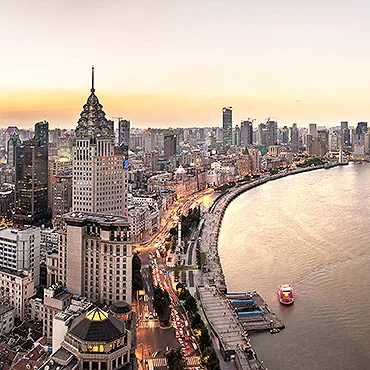
The Bund runs 1.5 kilometers from south to north. It is an eclectic miscellany of buildings and architectural styles, incorporating Baroque, Gothic, Classicism, Romanesque and Renaissance, a reflection of the spirited, vibrant city that emerged during its peak, the period between 1920 and 1937, when the Japanese captured the Chinese part of the city.

If you have an affinity for art deco, you’ll be delighted. Some of the best Art Deco buildings in the world can be found here, and there is an enduring sense of vintage Shanghai to be found in many places along the Bund. Despite the variety in architecture, there must have been an alignment of vision in design, as the skyline is surprisingly homogenous, and often referred to as an ‘international architecture exhibition’. Be sure to wander at a relaxed pace to take it all in.

At a time when Shanghai thrived on the glamor, commerce, and fashion, Shanghai became known as Paris of the Orient, and the Bund was at its epicentre. Although there have been many changes since, Shanghai continues to hold appeal for travelers and expat with a sense of adventure.

What will you discover at the Bund?

With buildings a major highlight on the Bund, take time to explore these stand-outs.

HSBC Building

HSBC Building

Completed in 1923, the HSBC Building was the former headquarters for the Hong Kong and Shanghai Banking Corporation. At the time, it was the largest bank building in the Far East and second largest in the world. To top it off, the HSBC Building was considered the most luxurious building between the Suez Canal and Bering Strait – and after a wander through its foyer, we feel sure you’ll agree.

It retains an air of understated elegance and wealth that will have you whispering in awe. The stunning mosaic ceiling alone is worth the visit. Featuring the 12 zodiac signs and global financial centres, it is a beautiful artwork that will have you looking towards the heavens.

While its heyday may have passed, the building’s current owner, the Shanghai Pudong Development Bank, is keeping the door to glamor open, if only a little.

Shanghai Club

Shanghai Club

When we think of vintage Shanghai, it usually conjures up images of glamorous women wearing cheongsams and cigarette smoked men in tuxedos, and certainly that image wouldn’t be out of place at the Shanghai Club. Founded in 1861, it was a gentleman’s club for British residents in Shanghai.

Construction on the original building was completed in 1864, while another building was developed and opened later in 1910. Its claim to fame? Well, it was the first building constructed in Shanghai with reinforced concrete. However, its greater appeal was the famous L-shaped ‘long bar’, which just so happened to be the longest in the world at the time. The good news is, you can still visit, as it is now part of the Waldorf Astoria Shanghai on the Bund.

Customs House

Customs House

Truly symbolic of the Bund, Customs House is perhaps the quintessence of old Shanghai. Opening in 1927, Customs House is famous for its clock tower and clock, the largest in Asia. The clock and its bell, which is a replica of the Big Ben at Westminster, were both manufactured in England and shipped to Shanghai.

Peace Hotel

Peace Hotel

The Peace Hotel with its green pyramid roof is yet another iconic landmark of Shanghai. Considered an exemplar of art deco architecture, it was built by real estate and business magnate, Victor Sassoon.

Like the street on which it was built, the Peace Hotel is rich in history. The penthouse was occupied by Victor Sassoon himself, while floors four to nine were taken as the Cathay Hotel. As the hotel of choice for discerning visitors at the time, it attracted many of the world’s political, artistic, and business elite, with Noel Coward, Charlie Chaplin, George Bernard Shaw, and Chiang Kai-Shek among them.

The Peace Hotel is the tallest building in the Bund, reaching to 77 meters. While small by comparison to the cloud-topping highrises on the opposite side of the Huangpu River, during the peak of its popularity, the Peace Hotel naturally held great appeal. So great was the influence of the building’s owner that when the Bank of China proposed to construct a taller building right next door, the design had to be scaled back to meet Mr. Sassoon’s insistence that no building could top out his own.

Originally built as the Cathay Hotel, in 1956 the hotel reopened the Peace Hotel, and then after a three year renovation, it reopened again in 2010 as the Fairmont Peace Hotel. If jazz appeals, check in for a drink and enjoy The Old Jazz Band who play there. With musicians ranging in age from mid-sixties to nearly a hundred, be inspired by their individual stories and their creativity that keeps them playing such vibrant music to audiences from all around the world.

Former Consulate-General of the United Kingdom

Former Consulate-General of the United Kingdom

As one of the oldest buildings on the Bund, the Former Consulate – General of the United Kingdom consisted of a compound of five buildings within which was a spacious garden. It was built in a Renaissance style in 1873 and is now a function venue.

Enjoy the Bund at night

Enjoy the Bund at night

Of course, the old buildings are only one part of the Bund’s appeal. On the other side of Huangpu River, which is clearly visible from the Bund, there is more to be discovered. Development of Lujiazui began in 1990 and since then has become the most important financial and commercial centre in China. Many skyscrapers have been constructed over the past three decades, providing offices for local and international corporations, banks, hotels and shopping centres. Certainly, these highrises have far eclipsed the height of their Bund counterparts, however, they represent an altogether different time and space in Shanghai’s history.

Among the famous landmark buildings in Lujiazui are the Oriental Pearl Tower (468 meters); Shanghai Tower (128 floors/632 meters); Shanghai World Financial Centre (101 floors/492 meters; including three observation decks); Jin Mao Building (93 floors/421meters), Bank of China Tower (53 floors/226 meters). And a fun fact for you: Tom Cruise bungee jumped from the Bank of China in Mission Impossible III.

If you don’t fancy crossing the river, walk the Bund esplanade at night when you can enjoy the mix of old buildings contrasted with the impressive modern Lujiazui highrises. While you’re in the area, take an evening cruise that allows you to immerse yourself fully in the city’s magnificent skyline at night.

If you’d love to experience the Bund firsthand with someone who knows it well and can bring it to life, consider booking a Shanghai day tour , or visit Shanghai for a layover, or as part of a multi-day China tour . Discover real China with people who really know it. Incorporating bilingual guides, flexible itineraries, options for private and custom tours, you’ll feel cared for every step of your journey. Reach out to our travel team.  We are here to help.

Entry Prices
AdultsFree
ChildrenFree
FoodYesThere are many restaurants in the precinct around the Bund.
TransportYesBus, subway and taxi
ToursYes
Family friendlyYes
Close to cityYes
Opening hoursMonday – Sunday
Open all hours
Big Wild Goose Pagoda

Big Wild Goose Pagoda

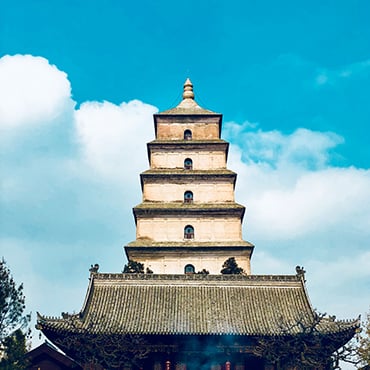
Big Wild Goose Pagoda is a famous pagoda in Xi’an. Located at the Da Ci’en Temple in the city’s south, it reaches nearly 65 meters, a remarkable feature, given it was built over 1,300 years ago.

So, why would a westerner visit Big Wild Goose Pagoda? What makes this famous Xi’an pagoda stand out among the many to be discovered in China?

Let’s see if we can clear that up with some insider knowledge about Big Wild Goose Pagoda.

What’s the back story to Big Wild Goose Pagoda?

What’s the back story to Big Wild Goose Pagoda?

Big Wild Goose Pagoda was built in 652AD on the same site as another temple.

Back in 648AD, Da Ci’en Temple, which means ‘motherly love and kindness’, was constructed by order of Crown Prince Li Zhi, who later became Emperor Gaozong, third emperor of Tang Dynasty.

Inspiration for the temple came from Li Zhi’s mother, Empress Zhangsun, who died young. The location of Da Ci’en was selected on the basis it would be visible from the emperor’s residence, Hanyuan Palace, and allow him to pay respects to his mother each day.

But Da Ci’en is more of a sideline, rather than the main event at Big Wild Goose Pagoda, so let’s discover why.

What does Monkey King have to do with Big Wild Goose Pagoda?

What does Monkey King have to do with Big Wild Goose Pagoda?

Every child growing up in China knows Monkey King, and not surprisingly, so do many people from all over the world.

Monkey King’s story – and that of Master Xuanzang – starts with an incredible ‘journey to the West’, that allegedly began in 629 AD when Master Xuanzang traveled to India for the purpose of studying Buddhism.

After 17 years (645 AD), he made his way home with over six hundred Buddhist scriptures in tow, a collection of Buddha statues, and sarira (the sanskrit term for Buddhist relics). On his return, Xuanzang settled in Chang’an city (as Xi’an was known at the time), and was then invited to make Da Ci’en his home. It was here that he began an epic task to translate the Buddhist scriptures.

Clearly an adventurer at heart, Xuanzang’s reputation stems from his adventurous spirit – he traveled to 110 countries – and his seemingly voracious appetite for translation – he is responsible for having translated an amazing 1,330 scriptures into Chinese. It’s any wonder he was considered the greatest scholar of the Tang Dynasty, and his own personal legacy, the Great Tang Records on the Western Regions, captures his remarkable insights as an early pioneer. Due to the voluminous works he translated, Da Ci’en became known as the most significant imperial temple during the Tang dynasty.

So what does an emperor do with all those Buddhist scriptures and treasures? He stores them in a special place fit for treasures. To that end, Master Xuanzang proposed to Emperor Gaozong that a pagoda would be ideal for this purpose, and it seems his enthusiasm carried him over because in 652AD construction on a five storey Indian style pagoda was completed. And while earthquakes, groundwater, and age have contributed to a definite lean that is apparent in the pagoda, it continues to be a Xi’an must-see highlight.

Incredibly, Big Wild Goose Pagoda has been reconstructed several times over a number of dynasties, and has varied in height between nine, ten, and seven storeys. It began leaning to the northwest in 1719 during the Qing dynasty. After the Wenchuan earthquake in 2008, the lean measured just over a meter.

How Big Wild Goose Pagoda was named

How Big Wild Goose Pagoda was named

Behind the many ancient buildings and monuments in China steeped in legend and history, there is a story to be found, and of course, Big Wild Goose Pagoda does not disappoint. It is said that while he was working on the Great Tang Records of the Western Regions, Master Xuanzang documented a legend involving a pagoda and a wild goose, which he learned Indian monks.

The story goes that Hinayana (meat eating) monks were concerned about their meal because there was no meat. In keeping with their tradition, they prayed to Buddha for meat to cook, at which point a flock of geese appeared. The goose leading the flock fell to the ground and died, providing the monks with their meat.

Naturally, the monks regarded this as a miracle from Buddha and were so deeply touched they became vegetarian. The goose was buried and a pagoda that was built on the site was aptly named Big Wild Goose Pagoda. Master Xuanzang deemed this a fitting tribute to the Buddhist influences and legacy that became home to so many Buddhist scriptures and treasures.

Inside Big Wild Goose Pagoda

Inside Big Wild Goose Pagoda

Big Wild Goose Pagoda is beautiful, even palatial in design. It follows traditional principles of Chinese architecture , with a single point of access. Notwithstanding the lean, Big Wild Goose Pagoda still offers unique vistas of Xi’an through four arched doors. Take the circular stairway to the top of the pagoda and enjoy viewing the murals throughout, which tell visual stories of Master Xuanzang’s experiences from his travels to India.

Two stone tablets are positioned on either side of the south door on the ground floor. They were completed in 653AD and are regarded as the finest examples of the Tang dynasty’s calligraphic inscriptions. Because two emperors from the Tang dynasty wrote articles about Master Xuanzang, the prime minister, who was also a famous calligraphist at the time of Tang dynasty, scribed the calligraphy for these documents.

Some historians and archaeologists believe there is an underground palace at Big Wild Goose Pagoda where more Buddhist treasures and valuable offerings from the royal family can be found, however this theory hasn’t proven

Is there more to see around the Big Wild Goose Pagoda?

Is there more to see around the Big Wild Goose Pagoda?

Recognizing the importance of the pagoda, the local government has invested in creating a precinct around the pagoda and broader temple complex.

The Da Ci’en Temple complex is designed in accordance with traditional Chinese architectural style. It includes various halls, bell and drum towers , a vast library for Buddhist texts, Big Wild Goose Pagoda itself, and the Pagodas Forest.

It continues to be a place of learning, with the temple’s monk master delivering lectures on Buddhism most mornings and afternoons. Visitors can hear monks chanting in the courtyard, as well as observe the traditional bell and drum towers that were used in ancient China to signal time. In the morning, the city gate opened after the bell sounded, allowing people to go about their daily life. In the evening, the city gate closed after the drum sound, indicating the start of curfew after which people were required to stay at home.

At the Buddhist temple, it was slightly different. In the morning, the bell is rung first and then followed by the drum, while in the evening, the sounds are made in reverse. The bell is considered to be calming and induce the ideal atmosphere for meditation. The bell is seen as a representation of the sitting Buddha because of its shape. Those who strike the bell make three bows to show their respect.

Looking to capture beautiful travel memories at Big Wild Goose Pagoda? Make your way to either the north or south of the temple complex. It’s here you find perfect settings for photo opportunities. Get snap-happy by day or night, when you take a guided tour. An evening tour is extra special, with the musical fountain show a highlight for visitors.

Entry Prices
Adults – Temple complex¥50 (1 Mar – 31 Oct)
¥40 (1Nov – 28 Feb)
Adults – Pagoda¥30
Children (6 -18 years old)half price
Children (under 6 years old and under 120cm)free
FoodYesRestaurants, cafes, hotels, and shops are located in close proximity to the Big   Wild Goose Pagoda
TransportYesBus, subway and taxi
ToursYes
Family friendlyYes
Close to cityYes
Opening hoursMonday – Sunday
8.00am – 6.00pm
tours to China from USA

Looking for China tours from USA? Insider tips for scoring the best value (and loving your vacation)

China tours from USA

Contemplating your options around China tours from USA?  There has never been a better time to be researching, planning and taking China tours from the USA. Why? Because although travel conditions have returned to what they were before restrictions were implemented, many people still haven’t dusted off their passport and started ticking off their bucket list destinations.

Fancy a luxury experience? Made a highlights wish list a mile long? Looking for insider tips to score the best value and love every minute of your vacation? If you’ve answered with a resounding ‘yes’ to any of these questions, now is the time to make your China tour happen.

Travelers looking for China tours from USA will do well to plan in advance, because you can expect to discover many ways to leverage great value on your travel dollars. Tour operators are keen to welcome back visitors from the USA, UK, Canada, Australia, and Europe, to showcase what has remained untouched over recent years due to travel restrictions.

Having welcomed thousands of international visitors to China, we’ve learnt a thing or two about what makes a China tour great, so we’ve decided to share these industry insider tips with our USA customers.

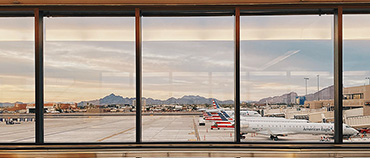
Need flights for tours to China from USA? Book your own!

China tours from USA

Back in the day before digital everything, if you were researching and planning tours to China from USA, all arrangements were made through a traditional travel agency. This included booking international plane tickets. 

Thanks to advances in technology, times have changed. Since around 2000, the ability to design and create a tailored travel adventure is very much in the hands of customers, allowing for direct sales (and reduced costs). 

There are many benefits arising from technology, among them is the convenience – and transparency – of booking flights, accommodation, and tours online. Allowing customers to shop around with ease, these changes have resulted in changing consumer expectations. 

Savvy western travelers doing their due diligence on tours to China from USA now expect to connect directly with a local in-country tour operator or travel agency. They have also come to expect more flexibility, freedom, and customized travel experiences. Goodbye, boring ‘vanilla’ itineraries. Hello, bespoke travel adventures. 

As a company operating tours for well over a decade, we’ve seen a growing appetite from our North American customers for private and custom tours to China from USA. Apart from giving people more of the travel experience they really want, it also makes it possible to take advantage of booking flights directly with an airline company, saving money and avoiding restrictive terms, conditions, and itineraries associated with a tour package that bundles in international flights.

Insider’s tip: Book your own international air tickets directly with an airline company as soon as you know your tour dates. Go directly to the official airline website for your booking. You’ll find airfares here are lower than any third-party booking platform. 

China visa? Yes, you’ll need one for China tour packages from USA

China tours from USA

China is a country where a visa is required for USA travelers, however, don’t be overwhelmed by the application process. If you’ve booked a tour, travel agencies like our own can help by providing the items required for your China visa, namely an invitation letter and related travel information such as destinations, duration of stay, and hotels. Whether it’s small group, private, or custom China tour packages, from USA, entry into China will mean a little legwork to meet all the requirements.

Be sure to connect with your local China Embassy, Consulate, or Visa Application Center to complete your application by providing photos, the relevant form and other supporting documentation.

Insider’s tip: If you’re confused about what’s required for your China visa, or want to understand where the application process fits in terms of timing for your travel arrangements, ask for help. The travel agency you’re dealing with will be up to date with changes that occur, which affect visa applications for international visitors.

How to pick the best China tours from USA

China tours from USA

An online search for the best China tours from USA will yield literally thousands of results, so if you’re a first time visitor (or even if you’re a returning adventurer), how do you make sense of them all and feel confident in your decision?

We’ve already talked about the importance of research and this certainly applies when it comes to selecting the best China tours from USA. First, you must decide what level of travel you’re after. If budget is your main consideration, there are ample choices. However, if budget is not your primary driver, and you value more flexibility, then it’s a good idea to dive into the detail of what’s really being offered on tour.

Specialization is the hallmark of an exceptional China travel provider, but what many customers don’t realize is that many don’t look for opportunities to deliver unique experiences. This is why we recommend searching for a tour company that really knows China – and truly cares about your experience. Approaching travel plans this way means you’re more likely to discover a holiday that is more than a mediocre ‘vanilla’ substitute. It’s okay to expect value for money; it just shouldn’t come at a cost to the quality of your vacation. 

Once you’ve picked a tour, find out if it can be taken as a private guided tour and what the price difference is. While small group tours are wonderful (we only travel with a maximum of 12 people), a private tour following the same itinerary offers even more flexibility.

Insider tip: If you only plan on visiting China once – do your research and book a bespoke tour, tailored exactly to your interests, budget, travel days. Regardless of whether you’re traveling solo, as a family, or a group of friends, this is a great way to travel your way.

More reasons to plan your China tour from the USA

Here are some other great reasons to choose a specialized local tour operator or travel agent in China if you’re considering a China tour from the USA:

  • More choice of tour itineraries, including tours focused on specific themes, interests, and destinations. It’s a great way to immerse yourself in the local culture.
  •  Value for money. As a direct sale, you avoid unnecessary fees associated with booking through a traditional travel agent. That means more holiday spending cash.
  • Responsiveness and communication – With a focus on serving the western traveler, travel agencies like ChinaTours.com engage travel consultants with an excellent command of English, and with a strong service ethic, response times from enquiries are typically very quick.
  • Quality service – As China’s tourism industry has grown, so too have expectations around service. Before booking, check out the online reviews of companies offering tours, to see the comments made about the company’s travel consultants, local guides, and drivers. You’ll find uncensored opinions and they are a great way to find out how well customers were taken care of by their tour operator or travel agency.
  • Quality hotels, centrally located – One day in a busy city like Beijing and you’ll soon appreciate the value of a quality hotel that is centrally located. A deceptively large amount of your valuable tour time can disappear traveling between sights, so research your tour and find out where the hotels are located relative to stops in the daily itinerary. Be aware that interpretations of four and five star may differ between providers, so ask about the hotel partners too. International hotel brands with consistent standards are always a safe bet.
  • Industry recognition – Traveling with a company with international industry memberships provides peace of mind, especially for USA travelers planning a China holiday. Industry bodies like the American Society of Travel Advisors, Pacific Asia Travel Association and the China Association of Travel, provide credibility, as well as a point of reference if you are concerned about service standards.
This image has an empty alt attribute; its file name is china-association-of-travel-logo.webpThis image has an empty alt attribute; its file name is ASTAHorizontalCMYK-300x131-1.webpThis image has an empty alt attribute; its file name is pata-logo.webp

Are you ready to make tracks but stuck for ideas? Why not start your research with our ‘best of’ recommendations from the ChinaTours.com team?

China tours from USA
Recommended tourDestinationsWhy take the tour
8 Days Golden Ring of ChinaBeijing, Xian, ShanghaiA perfect snapshot of China’s most iconic highlights in a manageable week long itinerary
10 Days Best of China and Pandas Beijing, Xian, Chengdu, ShanghaiBest China highlights plus pandas (world’s cutest bears)
12 Days Odyssey of YangtzeBeijing, Xian, Chongqing, Yangtze River, ShanghaiIconic highlights plus the grand Yangtze River
14 Days Zhangjiajie Avatar Pandora Wonderland Beijing, Xian, Chongqing, Yangtze River, Zhangjiajie, ShanghaiAmazing natural landscapes plus incredible history and highlights
16 Days China Highlights with Yangtze and PandasBeijing, Xian, Guilin, Chengdu, Yangtze River, ShanghaiFull experience of China’s many historical landmarks and natural wonders 

If you’re researching China tours from the USA, why not simplify the big decisions about how to plan and organize a tour that maximizes your time and budget. Having served customers from around the world, including the United States of America for well over a decade, we know what savvy travelers from the West want on their holidays. Research, plan, and explore the options available in our selection of best China tours, or create your own custom experience with the help of travel consultants who know and care about every detail. We welcome online inquiries via direct contact and respond within 24 hours.

Is it safe to visit China?

Is China safe to visit for westerners? How to ensure it’s safe to travel to China

Is China a safe place to visit

Is China a safe place to visit? (Tips for Westerners to know it is safe to travel to China)

Is China a safe place to visit?

We’ve been asked this question by many of our western customers who want to know it is safe to travel to China, especially those planning a holiday for 2025 and beyond.

Let’s dive into tips you can use for traveling safely in such a big and busy country.

Is it safe to travel to China right now?

The world is constantly changing, and with shifts in influence in various regions, a prospective traveler might wonder: Is China a safe place to visit? and Is it safe to travel to China in 2025? These are reasonable questions. With our goal to provide peace of mind to our customers, whether they’re planning or participating in one of our tours, we’ve provided this update on whether it is safe to travel to China. 

At any time, planning the best China tour is no small exercise, let alone in the new global operating environment. Not only does visiting China usually involve long distance travel depending on where you come from in the world, it also requires attention to detail to ensure your trip is safe, especially now that it’s vitally important to observe health and safety considerations wherever you are. If you’re wondering is it safe to travel to China, you can relax that previous restrictions that were in place, for example, during COVID restrictions are now well and truly lifted. If 2025/2026 is your year to scratch the travel bug, then now is the time to dream, plan and prepare for your holidays.

In a country with quite different cultural and social expectations from the west, most western travelers find their first experience of China a cultural ‘eye-opener’. Apart from the need to remain alert and aware while on tour, just as they would with any international travel, there are other considerations too, like what’s accepted cultural and social etiquette. 

Personal safety: Is it safe to travel to China?

In terms of personal safety, western travelers can feel that it is safe to travel to China. Actually, there’s a consensus that many of our customers feel China is one of the safest countries in the world for travel; in some cases even safer than their own country. With a crime rate that is comparable to places like Switzerland and Luxembourg, it is easy to understand why people enjoying a China tour can do so in the knowledge that crime is unlikely to be an issue.

That said, as with all international travel, tourists can expect to apply the same caution in China as they would wherever they travel in the world.

We recommend you are mindful with personal belongings, keeping cash, credit cards and passports safe and close to hand. It’s wise to have copies of your cards and passport too and to keep these separate from the originals.

Is China a safe place to visit

What about the crowds? Is China a safe place to visit?

At busy locations (and let’s face it, just about everywhere is busy in China!), be aware of pickpockets and beggars who tend to work in an organized fashion and target unsuspecting foreign tourists. 

Generally tapping into your sympathy vote, it’s very easy to part with cash to one person, only to find yourself inundated suddenly by many others immediately afterwards. A word of advice: resist the temptation to be lured by what is an act in most cases. 

Travelers can be reassured by the security cameras which are prevalent in China. These alone make it difficult for crime to occur. However, if the worst does happen and you have something stolen, be sure to speak with your personal tour guide immediately. They will know exactly who to contact and where to go. We recommend notifying the nearest Foreign Affairs Branch of the Public Security Bureau. Effectively operating as the local police, you will be required to complete a formal report for your loss. You’ll need this in any case to assist with any travel insurance claim you make. 

Of course, if you believe something has been stolen from your hotel or the vehicle in which you’re traveling, your ChinaTours.com guide will be there to help out with taking immediate action to retrieve your items. Our team is committed to taking care of every detail and should you fall prey to thieves, we will assist you through this process.

Keep your travel cash close (and real)

The Chinese government continues to improve the quality of western travelers’ experience by making China a safe place to visit. One area that has demanded attention is the trade in counterfeit cash notes.

While there are many genuine business owners and employees who make China safe and enjoyable to visit, like anywhere, there are scammers and con artists too.

Most people travel with cards, however, some cash is a necessity, particularly for tipping guides and drivers, or if you are traveling to more remote regions. For this reason, it’s wise to exchange money at reputable outlets such as banks. You can even do this prior to departure. 

Be aware that counterfeit cash is common in China and many retail outlets have facilities for checking note authenticity at the point of sale. If you’re unlucky enough to end up with a counterfeit note (or notes!), it literally is a waste of your money.

Of course, there is also the option of paying like a local. Just about everyone and many businesses in China use WeChat Pay. Foreigners can also take advantage of Alipay Tour Pass. Making cashless and cardless purchases via one of these platforms is an ideal way to buy with confidence and feel it is safe to visit China.

Is China a safe place to visit

Traveling with a guide can be very beneficial as it provides trustworthy eyes and ears on the ground for you. They understand the culture and know what the challenges are. While you’re traveling together, your guide is focused on making your travel experience enjoyable, memorable, and safe.

Transport safety: Is China safe to visit on the roads?

Traveling by road can be a challenge in China with road accidents a major cause of fatalities and injuries for locals. Be especially cautious when crossing roads. It is well known that red lights and traffic rules are often ignored by local drivers.  

One of the many benefits of traveling with an experienced China tour operator is the peace of mind that comes from having knowledgeable, local guides who are with you for the duration of the tour. With guides accompanied by a driver, western travelers can be transported between sights with ease – and without having to worry about navigating through challenging traffic conditions.

Another bonus of guided tours is baggage security. Instead of carrying unwieldy luggage between sights because of safety concerns, ChinaTours.com customers enjoy the freedom of being able to leave their belongings in a secure environment that is monitored and looked after by our carefully selected drivers. On a small group or private tour, you can relax knowing you can have complete confidence in the trustworthiness of your tour team.

Is China a safe place to visit

Safety and security in China

Apart from personal safety and the precautionary considerations associated with any travel, many western travelers query whether it is safe to visit China when political changes occur internationally. This is a legitimate question, particularly when travel advice is amended by governments due to shifts in policy. 

We recognize the concerns some western travelers may have, however, unfortunately, independent China tour operators like ChinaTours.com have no influence over government policies or the political position adopted by different countries. However, regardless of politics, ChinaTours.com will continue to provide the highest possible standard of service always to make your tour with us memorable and safe. Our mission is to provide our customers with an experience of real China and beautiful travel memories while building important bridges of understanding between different cultures.

Top tips to make it safe to travel to China

We recommend people who want to book a China tour should follow the same guidelines they would for travel elsewhere in the world:

  • Consult with the relevant travel advisory authority in your country of origin for current travel advice to China (we’ve provided a shortlist below).
  • Liaise with your tour operator and ask for clarification about transport arrangements in the country, personal safety measures, and care of belongings while on tour, and any other concerns you might have.
  • Obtain travel insurance to account for any unforeseen loss, theft, medical or other emergencies.
  • Notify your government’s travel department, bank and family members about your travel plans.
  • Have a contingency plan in place for emergencies, including the contact number for your country’s embassy in China.
  • Keep copies of your passport and cards separate to these items in the event they are lost or stolen.
Is China a safe place to visit

Other safety considerations for a visit to China

From time to time reports of scams directed at foreign tourists emerge, with many of these based on offers of a teahouse service or massage. Foreigners have been duped into paying large amounts of money and even threatened physically. We encourage all travelers to consult with their local guide about the best places to dine and enjoy optional tour activities in every destination they visit. Always raise any concerns or questions about a particular offer or product with your guide first before making a selection. 

Want to learn more about how to enjoy the safest and most enriching travel in China? Reach out to our tour design team. We can answer all your questions.

Australian Department of Foreign Affairs & Trade: www.smarttraveller.gov.au

British Foreign & Commonwealth Office: www.gov.uk/foreign-travel-advice 

Canadian Department of Foreign Affairs & International Trade: http://travel.gc.ca/travelling/advisories 

New Zealand Ministry of Foreign Affairs and Trade: www.safetravel.govt.nz 

US State Department: http://travel.state.gov

Thinking about booking a China tour in 2025 or 2026? Why wait? With creatively designed tours encompassing over 20 destinations in China, our small group, private and custom tours consistently receive five star reviews from international adventurers just like you. The ChinaTours.com team is waiting to help create your next travel memory, so enquire now.

China seniors tours

China Tours for Seniors

China Tours for Seniors

China tours for seniors does not mean coaches crammed full of people who are herded from one tourist destination to the next.

On the contrary, as a growing cohort of sophisticated travelers globally, you’re more likely to discover China tours for seniors – or tours to any destination really – as one joined by savvy explorers. A far cry from the budget backpacker traveling on a shoestring, seniors on tour are prepared to invest in an experience, while still expecting value for money. Above all, they seek a genuine experience of the country they’re visiting – but they want to do it with ease.

Having helped thousands of seniors discover the real China, we compiled our list of top things you should know if you’re searching for China tours for seniors.

Ready for adventure?

Let’s get going!

#1 Get the right help organizing your China tour

China is a different kind of travel destination.

Getting around can be a challenge, even for experienced travelers. That’s why we recommend not trying to organize everything yourself!

If you’re someone who likes the certainty of knowing where you’re going when traveling in new countries, it’s wise to get help planning and organizing your tour. With insider knowledge to ‘how things work’, this can make all the difference to whether you enjoy your China tour or not.

Finessing every detail and ensuring you tick all your wishlist boxes is a worthwhile investment. Why? Because for most people, traveling to China is a once off experience. Leaving your tour to chance can result in disappointment and make you feel things weren’t quite what you expected.

If you’re organizing a China tour for seniors, regardless of whether it’s a private tour for a couple or a group tour for twelve lifetime friends, be sure to seek out the right guidance and support. Traveling with the peace of mind that every detail has been taken care of will make for a more relaxed and enjoyable time on tour.

China Tours for Seniors

#2 Access the best in planes, trains and automobiles

As China has developed domestically, in country travel options have expanded. New trains, planes and roads have been accompanied by grand new train stations, airports and highways. While this makes getting around easy, logistics can prove a challenge if you’re not familiar with the territory.

As a function of the sheer number of people, most airports in China are incredibly busy, as are the expansive new train stations found along China’s growing high speed train network. If you think you might feel nervous navigating your check in and arrivals, you’re not alone. Even the locals can feel overwhelmed.

The good news is that travel in China can be a breeze. Simply make sure your tour has the option of assisted check in and greeting on arrival. Helping to smooth out the process at these key points of your China tour will save you time, money, and angst.

China Tours for Seniors

#3 Travel with a local guide

With many seniors having traveled widely, they’re often curious to learn everything they can about a destination. Hello, local guide!

With deep knowledge of the modern and ancient history of their city, together with an enthusiasm for the best local eats and shopping, travel with a local guide will make a China tour for seniors something special. In fact, check just about any tour review and the feedback nearly always refers to the guide.

What you really want to know when you book your tour is:

Does your guide speak English?
Will your guide meet you on arrival?
Will they help with check in and check out?
Will your guide help you board your train and plane?
Will your local guide help you spy the fake from the authentic local pottery piece you just have to buy?
Will they take you to their favourite local restaurant for the ultimate traditional local dish?
Will you have 24/7 access to your guide?
Will your guide greet you with a smile?

Individually, these might seem like small things, but together they all add up when you’re traveling through China.

China Tours for Seniors

#4 Sleep in comfort at centrally located hotels

After a day on your feet exploring the sights, there’s nothing better than a comfortable night’s sleep in a clean, quality hotel. Yes, you could rough it if you really want to, but why would you when there are ample alternatives.

Accommodating the travelers who appreciate being cared for while on their China tour, four and five star international brand hotel chains have you covered. With many centrally located and meeting accessibility requirements, these hotels can make a China tour for seniors more enjoyable and relaxing. Instead of feeling like a hotel, you’ll feel like you’re comfortably taken care of while you’re away from home.

When booking your China tour for seniors, ask about the hotels on offer and whether they are located in close proximity to sights to avoid spending unnecessary hours traveling between locations. Check the hotel reviews too. Travelers opinions count and it’s good to know others have enjoyed positive experiences.

#5 Travel at sensible times

Have you ever noticed tours often schedule travel times between destinations at the most inconvenient times?

Pre-dawn departures backed up by late night arrivals can leave you feeling tired and jaded when you should be enjoying every minute of the day. The last thing you want is to feel you’re being hustled into a sheep pen by your tour guide.

If you’re planning a China tour for seniors, look for one with a sensible itinerary you can live with. For example, while afternoon flights might come at a slightly higher cost, there are benefits. It means traveling at a more relaxed pace, fully enjoying the day, and creating travel memories you hold onto instead of ones you’d rather forget.

In the same vein, consider whether you want choices when it comes to meals. With food being one of the great joys of travel, think about whether you really want to be shepherded into an all-you-can-eat lunch or dinner designed for tourists. This is a feature of many tours but this approach deprives you of choices and opportunities. China’s cuisine is diverse and part of your travel adventure should include the chance to experience the best food on offer. Whether you’re after the most delicious dumplings, finest Peking duck, or sizzling Szechuan hotpot, check in with your tour company about how you can experience China’s best food.

#6 Look for accessibility features

The Chinese hold their elders in high regard, so it’s no surprise that as their awareness of the needs of Western travelers grows, so too has investment in accessibility features in high traffic locations.

If your mobility isn’t what it once was, no need to be concerned while touring in China. You will find dedicated accessibility restrooms, access ramps, and assisted boarding and disembarking from planes, trains, and vehicles. And if you feel the heat or cold, air-conditioning can be adjusted in vehicles and hotel rooms for a more comfortable experience.

When booking your tour, check in with your travel consultant about the provisions made for people who need accessibility assistance. Be specific and clear about what you need so you’re not left stranded or missing out on sights while on tour.

#7 Make sure you can get help on tour

Anyone who’s ever traveled will know there’s always the potential for things to go awry. While this might be manageable in familiar territory, in China, dealing with issues that arise unexpectedly can prove more of a challenge.

When booking your China tour, particularly for more mature or elderly travelers, confirm whether you’ll have an in country contact. While 24/7 access to your local guide in every destination is ideal, it’s good to have a local company contact too. That way, if you want to add on travel or make changes due to unforeseen circumstances, you can do so with ease. Together with the appropriate level of travel insurance, you’ll enjoy peace of mind knowing there are measures in place, such as 24/7 Traveler care, to help manage while you’re on the road.

Book ahead for China tours

If you’re planning a China tour in 2025 or 2026, now is the time to start thinking about it, particularly if you’re traveling as a senior. Rather than taking a chance on last minute specials that skimp on comfort, plan ahead so you know every detail is taken care of.

ChinaTours.com designs and creates beautiful travel memories. Specializing in small group, private, and custom tours, including China tours for seniors, ChinaTours.com prides itself on taking care of every detail. Paying special attention to travelers with accessibility needs, we’ll do all things possible to make your China tour comfortable and manageable. We are now accepting bookings for the 2025 or 2026 travel season and encourage seniors to book early. Enquire now.

China culture tour

Is it time you visited China? China culture tour

China culture tour

With 56 plus ethnic groups (including the main Han group) and a landmass spanning 9,600,000 square kilometers, a China culture tour is not for the faint of heart.

Add to this a history of empires, dynasties, and intrigue and it’s easy to understand why a single China culture tour is probably not enough to gain a deep understanding of what makes China simultaneously so diverse and unique. In fact, contemplating how you’ll ‘see it all’ on a single tour can be overwhelming.

But if your heart is set on a culture tour in China, and you want to avoid any of the typical pitfalls, then consider these insider tips for planning and organizing your travel.

China culture tour

#1 Research well: make a China culture tour bucket list

Unless you have unlimited time and budget, research in advance of any China tour is essential. A good place to start is by making your own China culture tour bucket list.

It’s a vast country and there’s simply so much ground to cover, so if you can refine your list before even looking into tour options, you’ll know what meets your needs.

If you’re a first-timer to China, there’s every chance you’ll want to take in at least Beijing, Xi’an, and Shanghai. As China’s modern and ancient capitals, there is so much on offer. Culture hungry? You’ll find enough here to last lifetimes.

Beijing is home to the Forbidden City, Summer Palace, easy access to the Great Wall of China, Temple of Heaven, Confucius Temple and Imperial College. Modern history is available too. Explore Tiananmen Square and Beijing’s Olympic stadium and pool, the Bird’s Nest and Water Cube.

In Xi’an, the city’s more relaxed style is reflected in its culture and history. Adorned by red lanterns, Xi’an’s appeal is also found in the famous Terracotta Warriors and Horses. Xi’an’s City Wall is a step back in time. Restored to excellent condition, it allows locals and travelers to experience what it must have been like to look out over the city hundreds of years ago.

Shanghai is the quintessential modern city, but don’t be deceived. History abounds here too. Take in the Bund, Shanghai History Museum, Yuyuan Gardens, the French Concession and Xin Tian Di (New Spot). Get your fill of shopping at Nanjing Road and the Yu Garden Bazaar, where you can experience the contrast of modern and market wares.

Traveling to Beijing, Xi’an, and Shanghai, you’ll find ample opportunity for insights into China’s culture. The only question to ask is how deep do you want to go?

China culture tour

#2 Plan ahead: travel, tickets, and accommodation

Planning ahead, and getting help to do so, is a wise idea. That means booking travel, tickets, and accommodation well before you arrive. In fact, entry to China is contingent showing where you’re headed.

If you’re not a details person, planning a China culture tour is not the place to start developing those skills! Our tip? Talk to someone who knows how things work. Not only are experienced travel consultants a wealth of knowledge, they understand how to bring all the pieces of a tour together so it flows beautifully from start to finish.

China culture tour

#3 Enrich your China culture tour: travel with a local guide

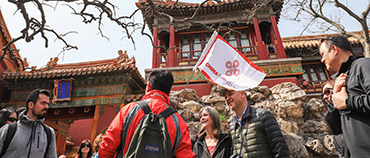
While you’re on the ground in China, a bilingual local guide is like the glue that binds all the elements together. Knowledgeable on all things culture, history, and philosophy – and a personal connection to local people – a guide enriches a China culture tour in a way that simply can’t be achieved by referring to a guide book. They can help navigate between venues, recommend local favorite restaurants, assist with entry to sights, and much more.

As part of your research, check out tour reviews from other like-minded culture lovers. You can very quickly see where tour companies and guides are delivering.

China culture tour

Choose your own travel style

Whether you’re an experienced traveler or novice, it pays to know the style of travel that suits you.

Do you like to travel solo and enjoy maximum freedom and flexibility? Maybe a private or custom tour is your best option.

Do you enjoy meeting new people on your travels? Perhaps a small group tour is the way to go. Providing the opportunity to engage with others and share the adventure, group tours are more cost effective too.

More experienced adventurers may discount the idea of a group tour, but with the chance to mix with others, and connect with local people too, for those seeking a China culture tour, it’s the ideal way to experience more.

Of course, there are many more ways and destinations in China where culture can be found. From the highest peaks in Tibet to the most remote natural landscapes of unique places like Zhangjiajie and Dunhuang, China’s culture is available for exploration and experience. You may find – as many do – that one China culture tour isn’t enough.

China’s culture and history are rich and diverse and a single tour won’t reveal everything there is. As an experienced China culture tour operator, ChinaTours.com understands how to design and craft tours that meet with the specific needs of each traveler. Whether you seek a custom or private tour or are happy to travel in one of the small group tours (maximum 12 travelers), we understand that what we do influences your travel experience. We also know we’re part of your travel memories. We take our role very seriously and are committed to creating beautiful travel memories for our guests. If you’re ready to enjoy China’s rich history, we’d love an opportunity to work with you to create a travel adventure you’ll remember long after you arrive home.

China tours for singles

China tours for singles and solo travelers: Discover the best tours for a solo traveler

Searching for the best China tours for solo travelers? Are you a single traveler looking for China tour options? Or are you an experienced solo traveler who has China at the top of your ‘must visit’ list? It doesn’t matter what your motivation is, solo travelers – specifically, single travelers researching options for solo travel in China – need look no further. In this article, we provide all the insights needed to plan and book your China tour as a single.

For those traveling on their own, China is a surprisingly safe destination. As China has opened up to the world, there has been steadily increasing comfort with international visitors, including those who opt to travel on their own. In fact, if you are traveling on your own, you’re likely to experience even more hospitality from locals who want to make international travelers feel welcome in this fascinating country.

Notwithstanding the challenges presented by traveling, living, or studying in a country where the language and culture are not familiar, both expats and adventurers say that in China they are happy to head out at night and use public transport without concern for their personal safety. Security measures at travel facilities, like subway stations, airports, and bus transfer centers mean solo travelers need not worry about being left stranded without being able to access help if needed. This, coupled with a police presence in all major cities, and a strong culture of law and order – guns are banned – makes traveling solo or part of a small group tour a real option for holidaying on your own.

Is it possible to visit China on your own?

China tours for singles

Even seasoned travelers may wonder about the possibility of visiting China if they are traveling solo. In response to the question ‘Is it possible to visit China on your own?’, you can be confident in the resounding yes that is the answer. Just because you do not have a travel buddy or prefer to travel on your own, does not mean you should miss out on all that China has to offer.

As a destination, China delivers so much. Rich in culture and history, it is a country that is also appreciated for its diverse and stunning landscapes. From the expansive outlook from the Great Wall to the mesmerizing order of the Longji rice terraces to the misty peaks of Zhangjiajie, there is quite literally a world of choice for China solo travelers if you are hungry for enriching travel experiences.

And of course, beyond landscapes there is plenty to entice even the greatest skeptic. Virtually every destination has its own must-visit historic sites, popular attractions, spectacular museums, ancient towns, local markets, unusual cultural and creative products, brilliant shows and performances, tasty Chinese food, as well as unique customs and traditions. Indeed, it is the unusual blend of experiences that has many ChinaTours.com guests commenting that not only has their understanding of China changed since visiting, they too have changed. We commonly hear that after their small group tour, which allows close interaction with bilingual guides who love their role as ambassadors, our guests often gain a deep appreciation of China and its people and culture. Others are captivated by the evident expansion of the super fast train network that brings cities closer to each other through rail travel exceeding 300 kilometers per hour. Foodies are taken in by the variety of cuisine to be found in every corner of the country, while night owls love to take advantage of the bustling ‘night time economy’ that caters to China’s giant population, which seems to love life after a day of work. Night time markets, along with a variety of cultural shows, sports, and exhibitions, mean that single travelers need not ever feel alone.

What hurdles could I face when traveling on my own in China?

China tours for singles

Now while there is no end of choice for what to do in China if you are a solo traveler, it does pay to keep in mind certain things. Language of course can be a real barrier, and while many students have completed high school or graduate studies in English speaking countries, China is a big place, and in many locations, you may discover that very little – or even no English – is spoken. In thriving cities, this may not present a problem, but in more far flung locations, getting around on your own could be difficult; a fact which highlights the importance and value of a good guide. Keep in mind that signs for streets, addresses, bus stops, subway stations are mostly in Chinese and Pinyin resulting in many mistranslated ‘Chinglish signs’ that end up being very confusing for foreign visitors. 

Language barriers are one thing, but by far and away the biggest headache for foreign visitors is sourcing tickets to just about anything. Think here of any attraction that comes to mind. While some attractions and sites permit walk-in visitors, the majority don’t, and herein lies the problem. Visitors – both domestic and international – must book and purchase tickets online using their personal details well in advance of the planned visit date. For the main attractions, like the Forbidden City for example, this is mostly completed through the social media platform WeChat (and even this process can be difficult!). Vendors that allow you to book this way have a custom integration whereby bookings are made and payments processed. Be aware though some vendors don’t even permit international travelers with foreign passports to book directly with them, making it extremely difficult to secure tickets. So if you’re planning to try your luck and make your own bookings, you must first download the WeChat app. If the vendor doesn’t have a purchase function for international visitors on WeChat, then you could try the vendor’s website. However, nine out of ten vendors will not have an English translation version, or they will have an ‘application process’, both of which present further barriers to ticket purchase. In short, your best bet to avoid disappointment if you plan to buy your own tickets to anything while traveling on your own is to engage the assistance of a bilingual guide. That way you won’t spend precious travel time sorting out arrangements that could create problems on your long awaited vacation.

What about booking tickets during peak season?

China tours for singles

During any peak season, but particularly Chinese public holidays and school holidays, it is a safe bet you won’t be able to book and purchase tickets successfully. Tickets can sell out in minutes, mainly due to ticket numbers being limited. You may be able to secure train or air tickets by paying more for business class seats, but there is no chance at all for obtaining admission tickets to a tourist site or attraction. Many travelers to Beijing have already experienced the frustration and disappointment of not being able to visit the Forbidden City because they did not understand the best way to securely purchase entry tickets to this world famous historical site.

Similarly, many international travelers have had issues at train stations, where foreign passport holders must obtain their train tickets from the ticket office. Unfortunately, it really isn’t as simple as just showing up and buying a train ticket even if it has been purchased online.

What’s the best solution for solo travelers in China?

China tours for singles

As China tour experts catering to international travelers, our very best recommendation for solo travelers is a small group tour that allows for time to explore on your own. There are many benefits to small group tours: Reduced costs, ease of arrangements (especially with ticket purchase and collection), guidance from an enthusiastic local who loves their city, your own room (no sharing on ChinaTours.com holidays), and personalized attention. 

Our small group tours also provide ample opportunity to explore on your own. We do not include lunches or dinners in our tour fees, meaning there is plenty of time to take in all that a destination has to offer. We think it’s the perfect balance of guidance and ‘free time’ on tour.

And if connecting with like minded adventurers is high on your values, a small group tour is the perfect platform by which to make friends from around the world. With ChinaTours.com, you have the option to stay with the same group or merge with other groups as you move from one destination to the next. In the ChinaTours.com inspired world of creating beautiful travel memories, flexibility is the ticket to a truly special holiday.

What else should you know about ChinaTours.com small group tours? Here’s our list of benefits, if you need more convincing:

  • Limited passenger numbers (maximum of 12 per tour)
  • Scheduled departure and arrival dates
  • Guaranteed departure even if there’s only one passenger
  • Superior and luxury hotel accommodation choices
  • Flexibility around meals (enjoy a hotel breakfast and choose your own lunch and dinner)
  • Relaxed travel times (no early starts)
  • Domestic flights and land transfers included
  • Exceptional bilingual speaking guides who will introduce you to the culture, history, and food of every destination you visit.

What’s not to love?

Are you ready to travel solo to China and want to learn more about your options? Now could be the perfect time to get in touch.

Learn more about things to do in China here: https://www.chinatours.com/travel-guide/  

Whether you’re a savvy solo traveler or a first time visitor to China looking for your options as a single traveler, doing your research is the best way to make the most of your vacation in this amazing country. Solo travel for international visitors is safe and fun in China. How do we know? We offer custom tours for people who don’t want their travel solo status to stop them from seeing all the very best China has to offer. 

Our friendly team can provide all the information you need on travel costs, including hotels, tours, tickets, food, and experiences from people who truly care about your holiday. Talk to the ChinaTours.com team. We’re travelers too, and we’re committed to helping you create beautiful travel memories that endure long after you’ve arrived home. We welcome online enquiries via direct contact, with responses delivered within 24 hours

Tibet Travel Permit Visa

Tibet Travel Permit

Tibet Travel Permit

Are you heading to Tibet and need a Tibet Travel Permit? Find out what you need on this page dedicated to providing information a foreign adventurer needs for travel in Tibet.

As a travel destination that is beyond compare, there are many reasons Tibet has such appeal. Incredible history, reverent traditions, and a beautiful culture that endures in its people. It’s any wonder that authorities see fit to ensure visitors are serious about their experience by making them apply for not just one, but two visas before entry. Yes, it’s true. One of the first things you should know about a Tibet Travel Permit is that an ordinary China travel visa does not cover you for entry to this beautiful region. If you are traveling to other parts of China as well as Tibet, requirements are such that you will need both a China visa and a Tibet Travel Permit. Even expat Chinese who no longer hold a Chinese passport are required to apply for a Tibet Travel Permit.

We explain the technicalities of the visa application below, together with other useful information about your Tibet Travel Permit that will help ensure you enjoy a smooth journey.

What you need to know about a Tibet Travel Permit

Tibet Travel Permit

A Tibet Travel Permit must be obtained prior to departure, just as your ordinary China travel (tourist) visa. However, unlike the ordinary China travel visa, which is issued by the Chinese embassy (or consulate) or China Visa Application Centre in your country of origin, a Tibet Travel Permit is issued by the Tibet Tourism Bureau. Expect passport checks that look for both, even though travel to Tibet is still considered ‘in country’.

Applying through a registered travel agent in Tibet, you will need a valid passport and Chinese visa for your Tibet Travel Permit, noting that your passport must have a minimum of six months validity. Processing usually takes approximately two weeks, however we recommend allowing at least three weeks for processing in advance of your Tibet trip.

Other important things to know about a Tibet Travel Permit

Tibet Travel Permit

There are some other important things to be aware of when making arrangements for your trip to Tibet.

First, if you want to travel independently in Tibet, you will have to rethink that plan. Travel in Tibet must be arranged by a registered travel agent based in Tibet. This applies whether you’re traveling solo or with a group. Pre-booked travel arrangements must provide for accommodation and transport while in Tibet.

Quite simply, there’s limited scope for spontaneity on your Tibet travels, particularly given that your Tibet Travel Permit only covers travel to places shown on the permit. Better still, communicate with your travel agent about where you want to visit before making the application, otherwise you may find yourself disappointed. Plans cannot be changed once you’re in Tibet.

If you have your eye on going further afield, you will need to apply for an Alien Travel Permit (ATP) (issued by Foreign Affairs at Lhasa PSB). It will definitely be worth the effort, because the ATP allows travel to amazing destinations with even more remarkable sights. Local tour operators will help to apply for these permits, which are usually completed in a couple of hours during your visit in Lhasa.

The ATP covers travelers for exploration in the following locations.

ShigatseSakya Monastery, North Base Camp Mount Everest, Rongbuk Monastery
TsetangSamye Monastery, Valley of the Kings, Changdruk Temple, Yungbulakang Palace
GyantsePalcho Monastery, Kubum Stupa
Ngari RegionMount Kailash, Lake Manasarovar
NyingchiPagsum Lake,Namcha Barwa
Chamdo RegionRawok Lake, Galden Jampaling Monastery, Lhegu Glacier

Travel as a foreigner also means you won’t be able to board public buses in Tibet. Instead, you must do all travel in the region as part of an organised tour. This also applies if you are traveling to Tibet from Nepal. On arrival, you will be required to join a group tour and then travel on a group visa. Regulations may require travelers in Tibet to surrender their Tibet Travel Permit to the tour guide until departure from the region.

Where do you apply for a Tibet Travel Permit?

Unlike an ordinary China visa, application for a Tibet Travel Permit must be coordinated with the Tibet Tourism Bureau by a registered travel agency. You will need to provide the following details: full name, gender, date of birth, nationality, passport number, occupation, and copies of your China visa and passport (if the applicant’s visa is not a tourist visa then additional proof is needed).

Need help with your Tibet Travel Permit? We can do that for you. As we assist our customers with all travel arrangements in and to Tibet, we will assist you with the application process. Foreign visitors to Tibet are not permitted to board a train or flight to Lhasa without a Tibet Travel Permit, so it makes sense for your China travel agency to facilitate this process. There can be some confusion with the visa application process, as applications for both an ordinary China visa and the Tibet Travel Permit require evidence of each. With our knowledge of the process, we can step you through to ensure you meet all documentation requirements.

Looking for more information about a Tibet Travel Permit for travel in Tibet? Why not reach out to our team of specialist China travel consultants. We stay abreast of all changes to China visas, including the Tibet Travel Permit and the Alien Travel Permit. Having delivered thousands of bespoke China tours tailored specifically for western travelers, we understand your once in a lifetime trip to China starts well before departure, that’s why we provide useful information about important details on topics like visas to help make your arrival and travels run smoothly from start to finish.