China is one of the most cash‑light societies in the world, and for many visitors the biggest culture shock is not the language, but how people pay. In most daily situations, locals simply scan a QR code with their phones instead of using cash or plastic cards. This guide explains the main payment methods you can use in China today, how foreign cards are accepted, and what to prepare before you travel. The focus is on real‑life situations: transport, shopping, dining, and small street vendors.
1. Cash (RMB): Still Useful, but Less Common
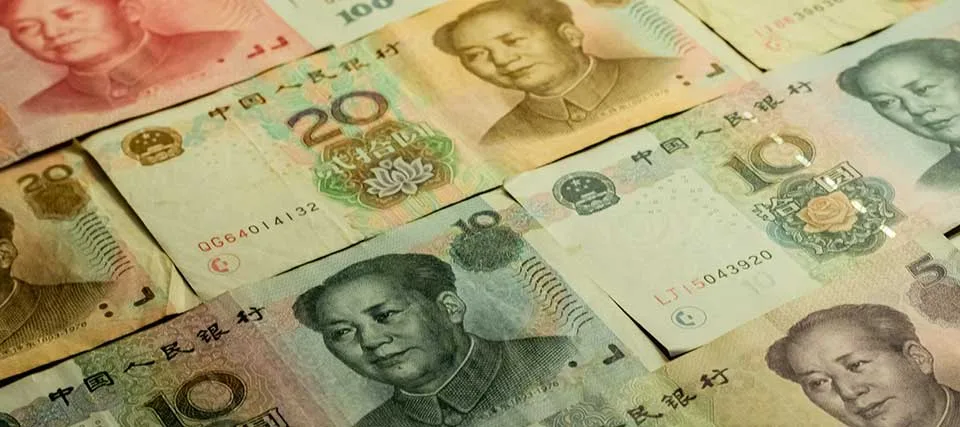
Although mobile payments dominate, cash in renminbi (RMB) is still legal tender and must be accepted by merchants by law. In practice, however, you will notice that many younger staff have little experience handling cash, and some small shops may need a moment to find change. Cash is most useful in these situations:
- Small restaurants and mom‑and‑pop stores in older neighborhoods.
- Rural areas and smaller towns where digital coverage is weaker.
- When your phone battery dies or your mobile payment app has an issue.
You can withdraw cash from ATMs using international debit or credit cards from networks like Visa, Mastercard, JCB or American Express, especially in branches of major Chinese banks in big cities. Many ATMs offer English‑language menus, which makes the process straightforward. It is a good idea to carry some small bills for taxis, markets, and emergencies, even if you plan to pay mainly with your phone.
2. Bank Cards: Where Credit and Debit Cards Work
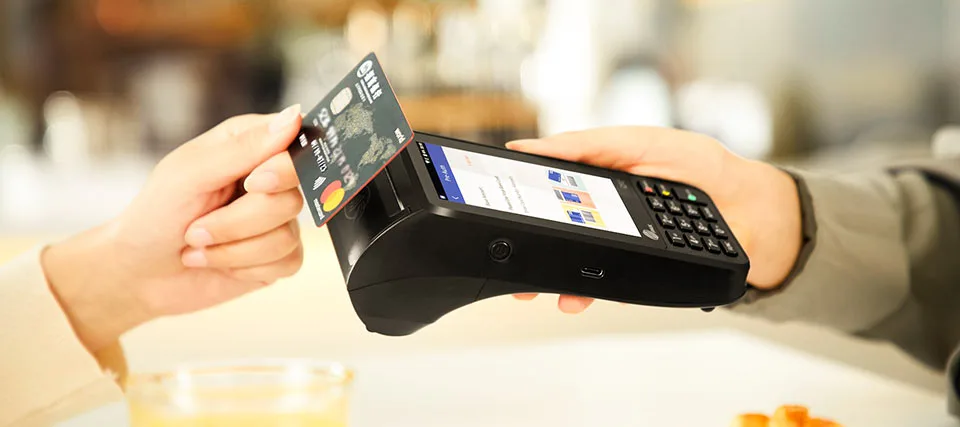
Traditional card payments are less dominant in China than in many Western countries, but the situation for foreign visitors has improved significantly. You now have more options to use your international cards both directly and through mobile wallets.
In large cities such as Beijing and Shanghai, foreign credit and debit cards are increasingly accepted in:
- International‑brand hotels and business hotels.
- Airports and major railway stations.
- Large shopping malls, department stores, and premium supermarkets.
- Well‑known restaurant chains and some tourist attractions.
Many of these places now support contactless “tap to pay”. In some big‑city metro systems, you can tap in and tap out directly with a contactless Visa or Mastercard at the gates, without buying a separate ticket or transport card. This is particularly convenient for short stays, as you can simply use the same card you use at home for public transport.
The government and payment providers have also expanded the use of international cards for shopping tax refunds. In major tourist cities, when you make eligible purchases at participating stores, you can apply for a VAT refund at the departure airport and have the refund credited directly back to your foreign card, instead of handling paper cash. This speeds things up and reduces the risk of carrying large amounts of cash. Some tax-free stores even provide the “refund-upon-purchase” service for the overseas visitors to claim tax refunds on-site at the stores after signing an agreement and completing a credit card pre-authorization.
Still, card acceptance is far from universal. Many small restaurants, family‑run hotels, neighborhood supermarkets, and street vendors do not have traditional POS terminals and rely entirely on QR‑code mobile payments. For these everyday situations, linking your overseas bank card to local Chinese payment apps (WeChat Pay, Alipay) is usually the best solution.
3. WeChat Pay and Alipay: The Main Way to Pay
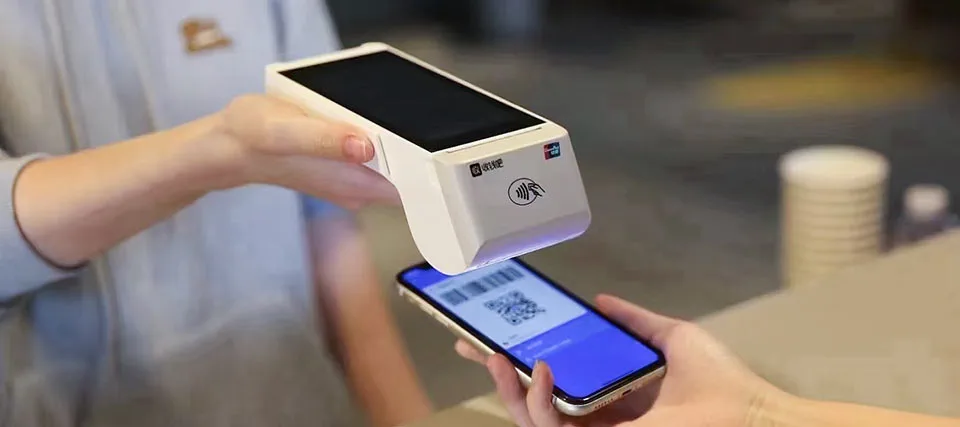
WeChat Pay and Alipay are the two dominant mobile payment platforms in China, and they are the closest thing to a “universal” payment method in daily life. Locals use them for almost everything:
- Metro, buses, taxis, shared bikes.
- Meals in restaurants, café drinks, and food delivery.
- Supermarkets, convenience stores, and online shopping.
- Movie tickets, attractions, hospital registration fees, and more.
- Paying small vendors, fruit stalls, and even street performers.
For foreign visitors, the key change in recent years is that you can now use these apps without a Chinese bank account. You can:
- Download the international version of WeChat or Alipay.
- Register with your passport and mobile number.
- Link an international credit or debit card (for example, Visa, Mastercard and others supported in China at that time).
Once your card is linked and verified, you can pay by scanning a merchant’s QR code or by showing your personal payment code to be scanned. Both apps offer English interfaces, and many payment screens and instructions in tourist areas are bilingual, making daily use much easier.
In almost all urban scenarios, WeChat Pay and Alipay are accepted. However, when dealing with very small merchants or individual vendors — for example, a small food stall at a wet market — you may find that they prefer a simple “cash‑style” transfer inside WeChat. Practically, this means:
- The vendor shows you a personal QR code.
- You scan it, input the amount, and send the money like sending cash.
In these cases, the transaction feels more like handing over physical cash, but in digital form. It is wise to confirm with the vendor whether they accept payments from foreign‑linked wallets, as some older accounts or small users may have limitations. Please be aware not to scan an unknown QR code that can put your money at risk.
4. Apple Pay and Other Mobile Wallets
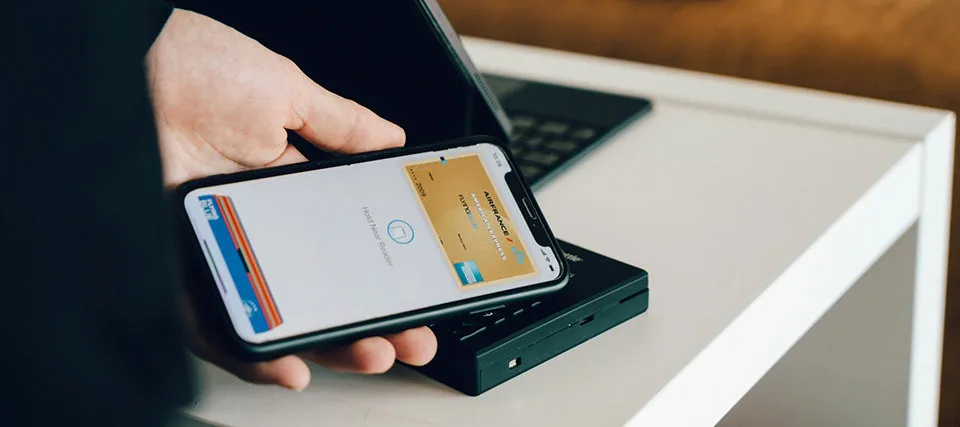
Apple Pay is available in China and works mainly by tokenizing your bank cards. How useful it is for you depends on what card you add:
- If you have a card from a bank that supports Apple Pay in China, you can often use it for contactless tap payments at POS terminals that accept that network.
- In some big-city metro systems, you can add a local transport card or compatible bank card to Apple Wallet and tap your iPhone or Apple Watch at the gates, just like using a physical transport card.
However, Apple Pay itself is not as universal as WeChat Pay or Alipay, because many small merchants do not rely on NFC terminals at all; they only show QR codes. In those places, your best option is still to scan via WeChat Pay or Alipay. For this reason, Apple Pay can be seen as a convenient supplement: great where contactless terminals exist, but not a full replacement for local QR‑based wallets.
5. Wise and Other International Fintech Cards

Cards from international fintech providers like Wise can be very practical for visitors to China. They typically offer:
- Transparent currency conversion at mid‑market exchange rates.
- Multi‑currency balances, including the ability to hold or convert to RMB in advance in some cases.
- Low or clearly stated fees for card payments and ATM withdrawals.
You can usually use a Wise debit card in any merchant or ATM that accepts its underlying network (for example, Mastercard). In China, that often means:
- Large hotels and higher‑end restaurants.
- International‑style supermarkets and brand stores.
- Some metro systems and transport services accept contactless international cards.
In addition, you may be able to link a Wise card to mobile wallets such as Apple Pay, and — if supported at the time of travel — to WeChat Pay or Alipay as a funding source. That allows you to get the fee and exchange‑rate advantages of Wise while still paying like a local via QR code. You should always check the latest compatibility information close to your travel dates, as supported card types and limits can change.
6. Other Visitor‑Friendly Options and Recent Improvements

China has been rolling out various measures to make payments easier for foreign visitors, especially with the rise in inbound tourism:
- Higher limits for foreign cards linked to mobile wallets, so you can use them not only for small purchases but also for hotel bills and high‑value shopping.
- Dedicated “visitor modes” and English‑language interfaces in WeChat Pay and Alipay, designed specifically for short‑term tourists.
- Expansion of acceptance of overseas e‑wallets via cross‑border services, enabling some visitors to pay in China directly with wallets issued in their home countries, without installing additional apps.
- New prepaid “tourist cards” in some cities, issued by local banks, which can be topped up with foreign cards and used like local bank cards or transport cards for a limited period.
- Policy support in major cities like Shanghai and Beijing to ensure that merchants do not refuse cash and to expand acceptance of international card networks in more shops and public service facilities.
- Faster and more flexible tax‑refund processes, with the option to credit refunds back to foreign bank cards rather than paying only in cash.
These changes mean that, compared with several years ago, it is now much easier for visitors to rely on a combination of international cards and mobile wallets instead of needing a Chinese bank account.
7. Practical Tips Before You Go

To make your payments in China smooth and stress‑free, consider the following checklist:
- Prepare at least one Visa or Mastercard credit or debit card with contactless capability, and inform your bank about your travel dates.
- Download WeChat and Alipay in advance, switch them to English, and complete identity verification if available for your nationality.
- Link your international card to at least one of the Chinese mobile wallets before or soon after arrival.
- Bring a small amount of cash in RMB, or withdraw from an ATM at the airport for backup and small local payments.
- Keep your phone charged and carry a power bank; your phone essentially becomes your wallet.
- In big cities, look for contactless symbols at metro gates and payment terminals to use tap‑to‑pay when available.
- For large purchases in tourist areas, ask whether tax refunds can be credited back to your foreign card.
By combining a little cash, an international bank card, and at least one Chinese mobile payment app, you will be able to navigate almost any payment situation in China, from high‑speed trains and luxury malls to hole‑in‑the‑wall noodle shops and local markets.
About the author



 Only way to travel in China with China Tours